Gratitude lists have never been my thing. In my experience, being grateful in the moment is far better than a once-a-year roundup. But this year earned an exception.
And since every construction project winds down with a punch list, what better way to prepare to close out the year? Instead of walking through the building for a bit, let’s walk through 2026. It’s a chance to see what's actually happened, what still needs attention and who all came along for the ride. So in true project fashion, let’s start punching.
Punch 1: The People Who Give Their Wisdom Away
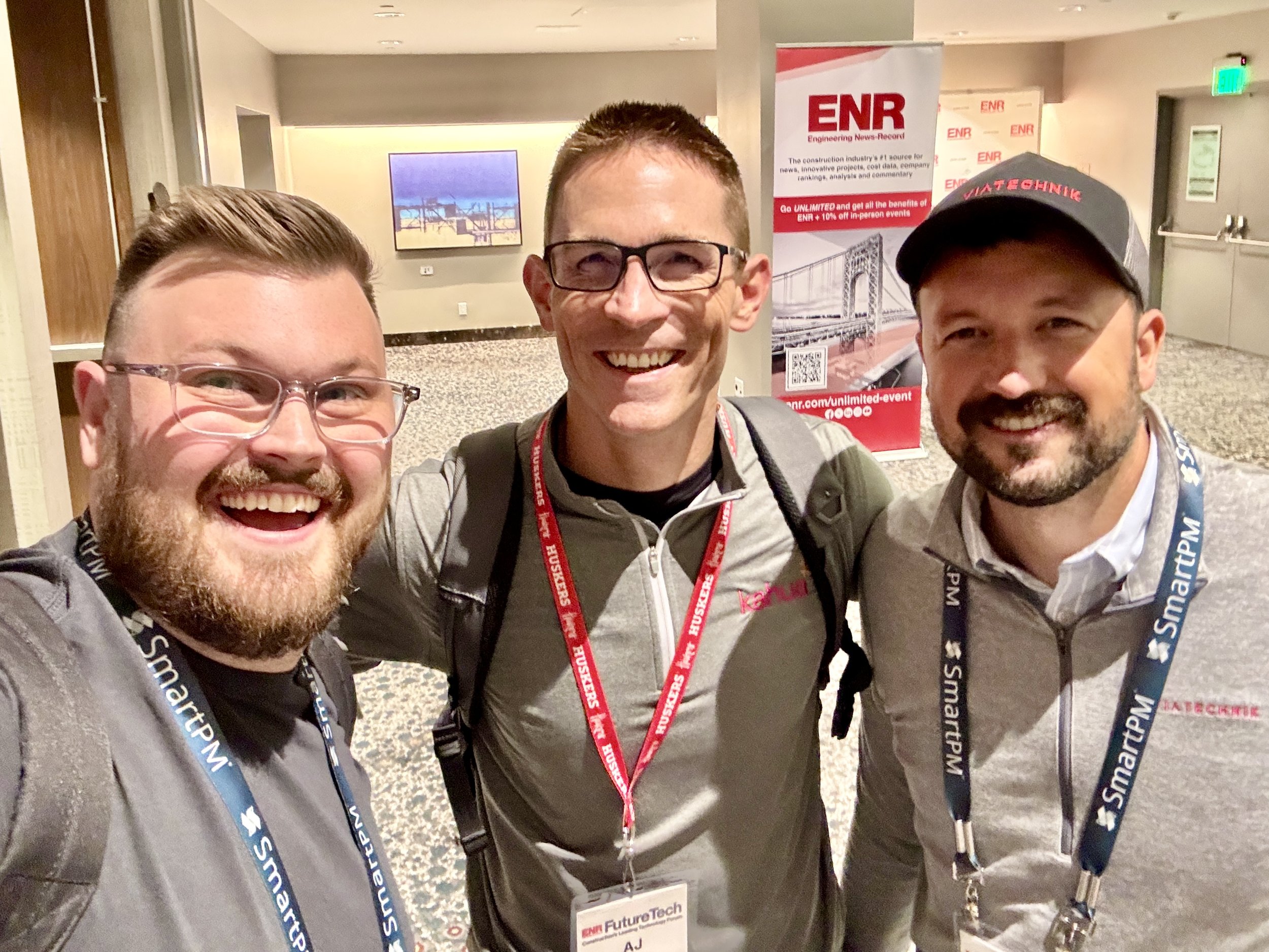
There are people in life who will believe in you long before you ever do yourself. Matt Graves is one of those people, buying into TheEngiNerdLife as a podcast before I did. As guinea pig #1 out of the gate, that's not an exaggeration. Before there was a format, a guest list or a single subscriber, Matt saw something worth partnering with and jumped on board. As did Stefanie Reichman, as we’ve gone back and forth on our own versions of a similar journey all year. That certainly has helped to make the uncertainty feel a lot less lonely. And of course the podcast guru himself, Tyler Campbell. Tyler not only believed in me before I believed in myself, but continues to show up behind the scenes every single day to make sure that belief doesn't fade.
But it’s not just the early adopters that made the conversations this year special.
There are also the voices making this industry braver. Folks like Megan Shapiro and Stephanie Lemek, who are rockstars, plain and simple. They take on the tough topics most people would rather shy away from, and they're changing the narrative on every one of them. And right alongside them, Ian Gray, Scott Evans and Eli Embleton, who did something many would consider just as difficult. These men got vulnerable on the record, in an industry that has spent decades pushing back against being real.
The best part is, none of these conversations were really about software. Instead every single one of them was about people. And the people we kept coming back to were the ones doing the work.
Punch 2: The People Who Carry the Load
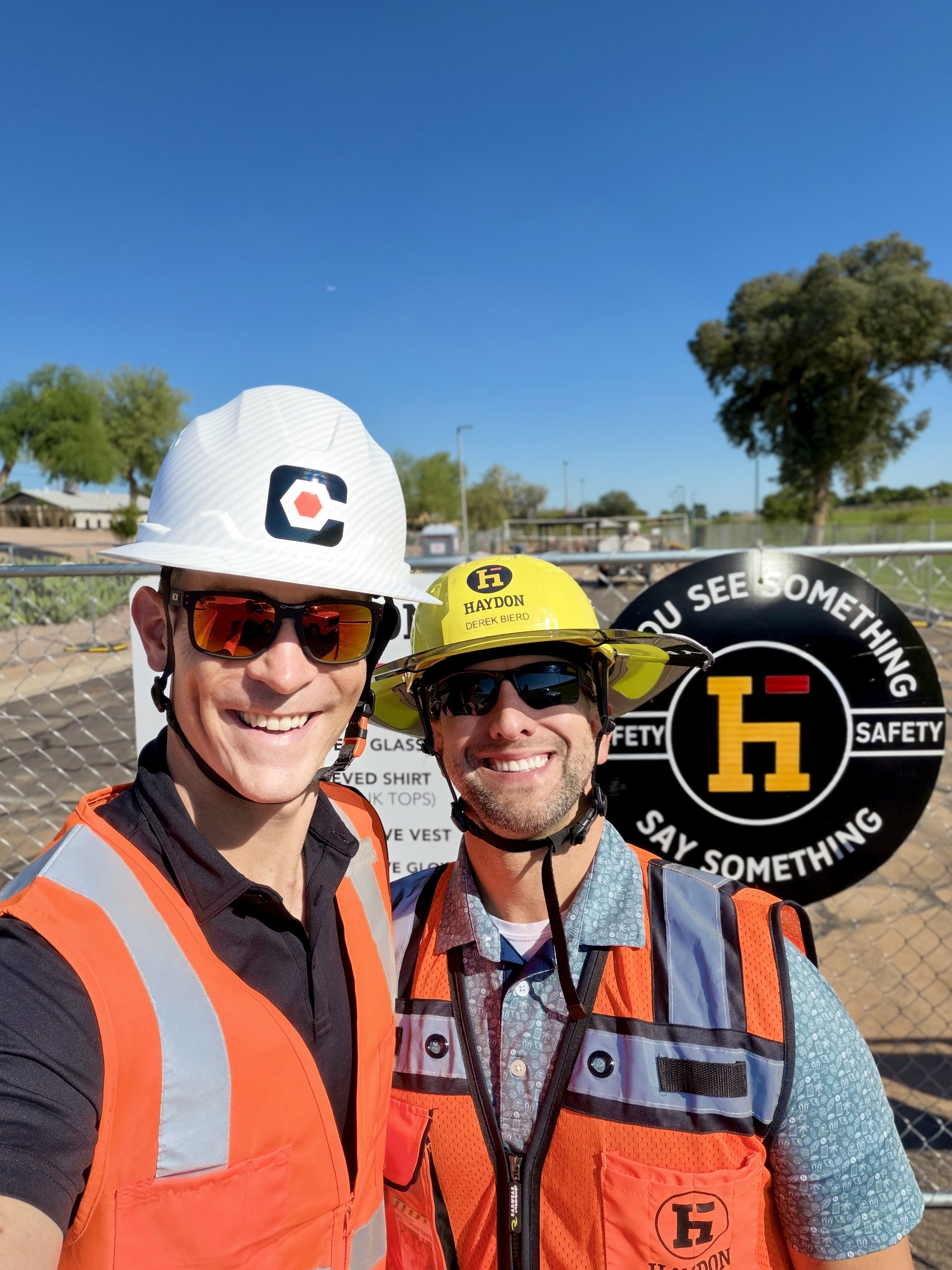
Real transformation starts with getting out to the field. Not to present. Not to pitch. To listen. Before any new process or platform gets rolled out, the first job is hearing what the people doing the work actually need. People first, always, then process and technology. Get that order wrong and no amount of training will save the rollout, because the field knows where the critical issues lie long before any dashboard will.
But even so, every new tool, process or system comes with a learning curve. Sure, leadership can announce a great new initiative from stage, but at the end of the day it’s the field who gets to live with it on a Monday morning. While we’ve come to accept that dip in typical construction operations, it is still something we fail to understand when it comes to new technology. Our teams are left to absorb the drop in productivity, figure out the workarounds and keep the job moving while everyone else waits for results.
They rarely get credit for that. When the dip in productivity shows up, it's their fault. Yet, when the recovery finally comes, it's the strategy that worked. It’s backwards, as the people who carry an organization through change are the reason change sticks to begin with.
So if that was you this year, thank you. The industry doesn't say it enough, but it doesn't move without you.
Punch 3: Admitting When You’re Wrong
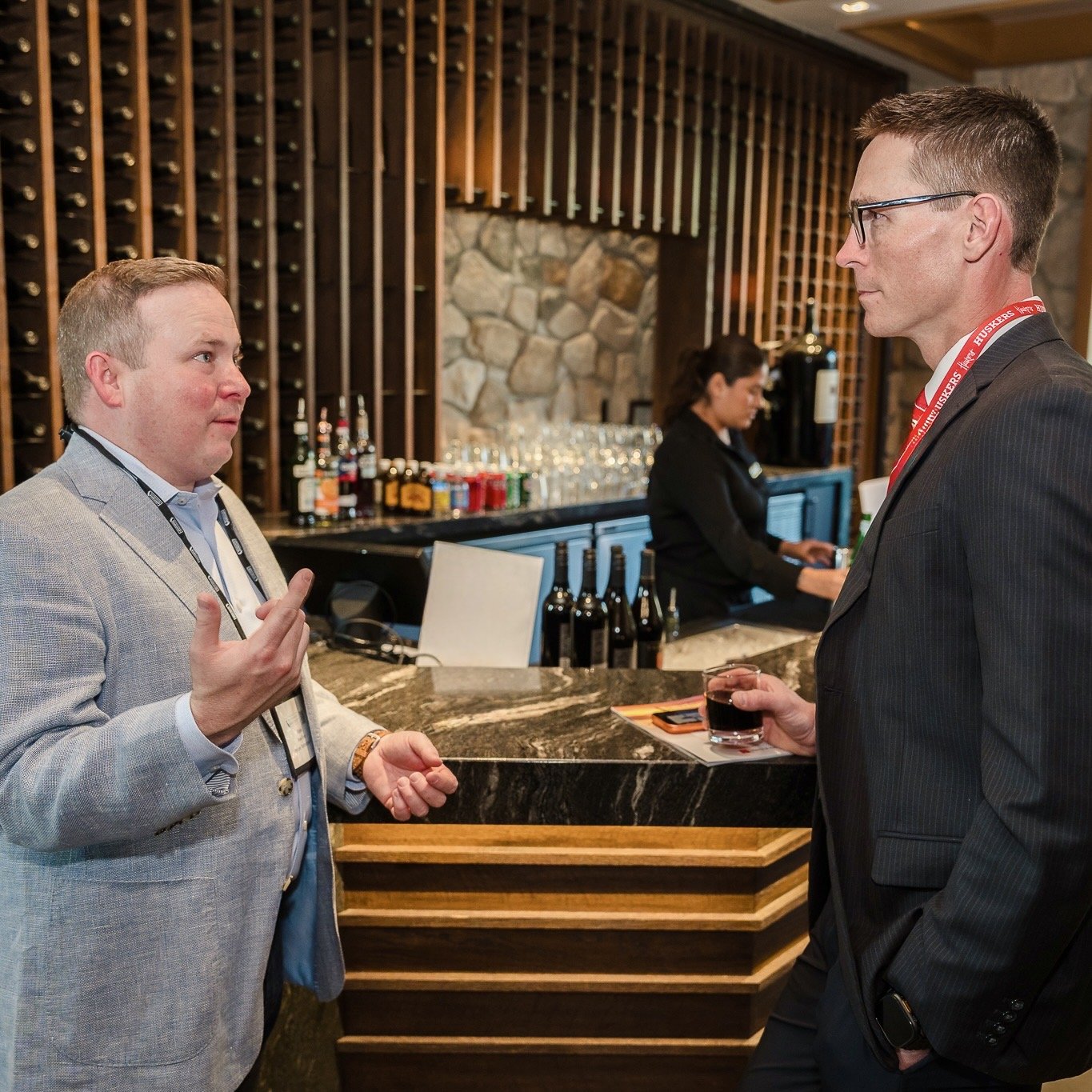
As many of you have probably noticed, this was a year of changing my mind (often in public ways). Not long ago, acquisition as an innovation strategy looked like a shortcut. Buy the product, slap a new name on it, call it a platform. But with strong opinions comes the responsibility to listen to differing opinions with equal conviction behind them.
A closer view changed that opinion. Buying a product and buying a capability that plugs into a unified data foundation are two very different things. One adds another silo. The other removes one more reason the field has to stop working and start typing. And when you’re capable of punching a million dollars a day into continued innovation and development of the product, rolling an acquisition into the core platform is a lot more feasible.
Seeing the differences up close made the old argument hard to defend.
Here’s the thing, being wrong isn't failure. Staying wrong is. The philosophy of having "strong opinions, loosely held" only means something if you’re actually willing to let go of an opinion when the evidence against it shows up. That’s why I’m grateful for every conversation, comment and hard question that pushed back on my beliefs throughout the year. Changing your mind is a skill, and like any skill, it takes reps.
But it wasn’t just the opinion of acquisitions that was a major shift this year.
Punch 4: The Room to Keep Evolving
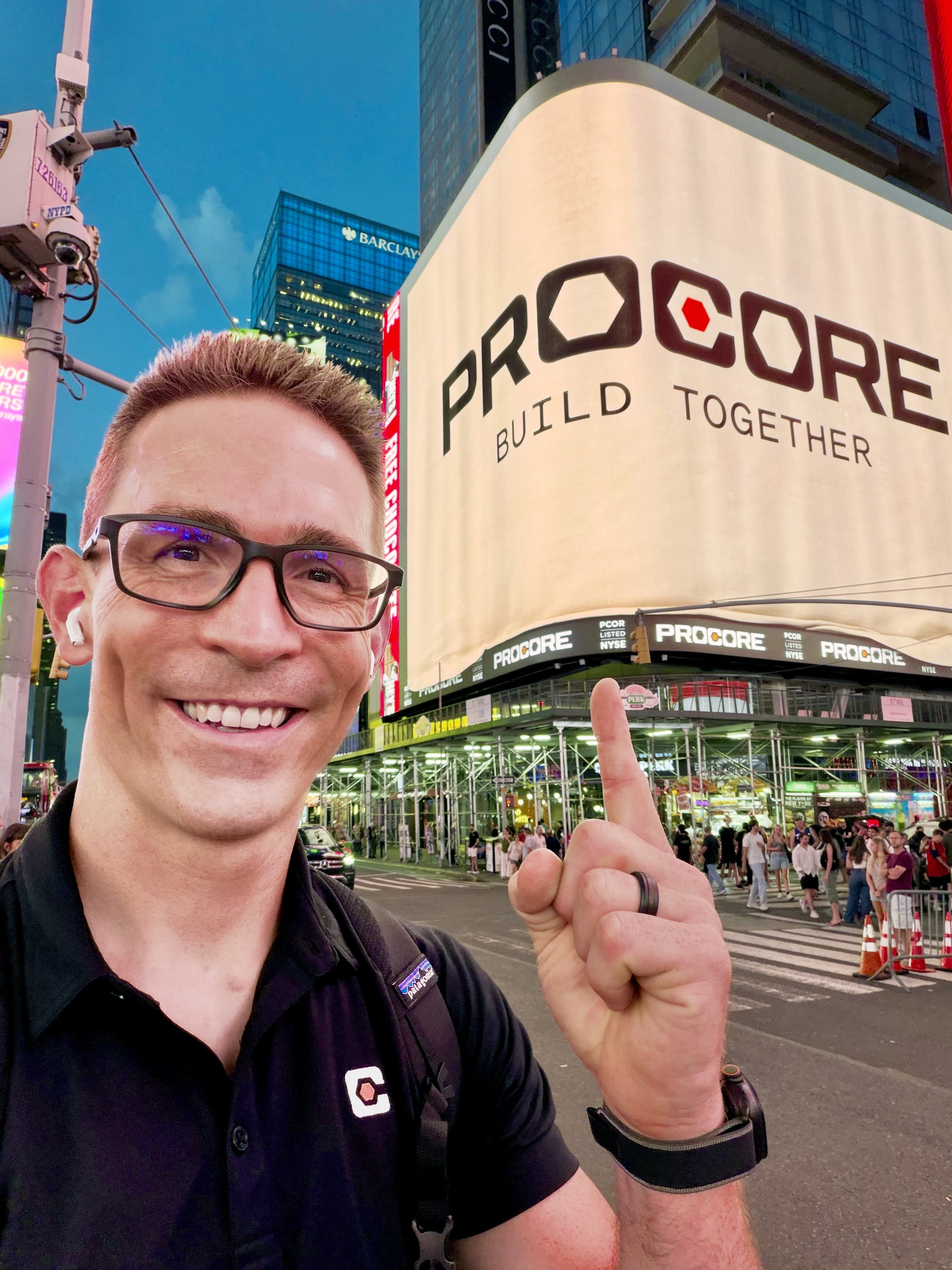
Having big, hairy, audacious goals is a good thing. But sometimes those goals become limited by the environment around them. So if you truly want to grow the impact, you must first grow the environment. That's been the gift of this year at Procore.
The problems we’ve all been chasing the last decade haven't changed. Much of the industry still deals with fragmented data and disconnected systems while the field teams (and also the owners) pay the bill for both. But what has changed is the reach. And with that, the responsibility to continue to grow and evolve alongside a team that wakes up with the exact same goals.
The goal is the same as it's always been: leave this industry better than I found it. This year has amplified that message (by nearly double). More owners, more builders, more conversations where the field finally has a seat at the table. That responsibility is not something to take lightly, and it's certainly not something to take for granted.
But at the end of the day, none of this happens without the people at home.
Punch 5: The Foundation That’s Built at Home
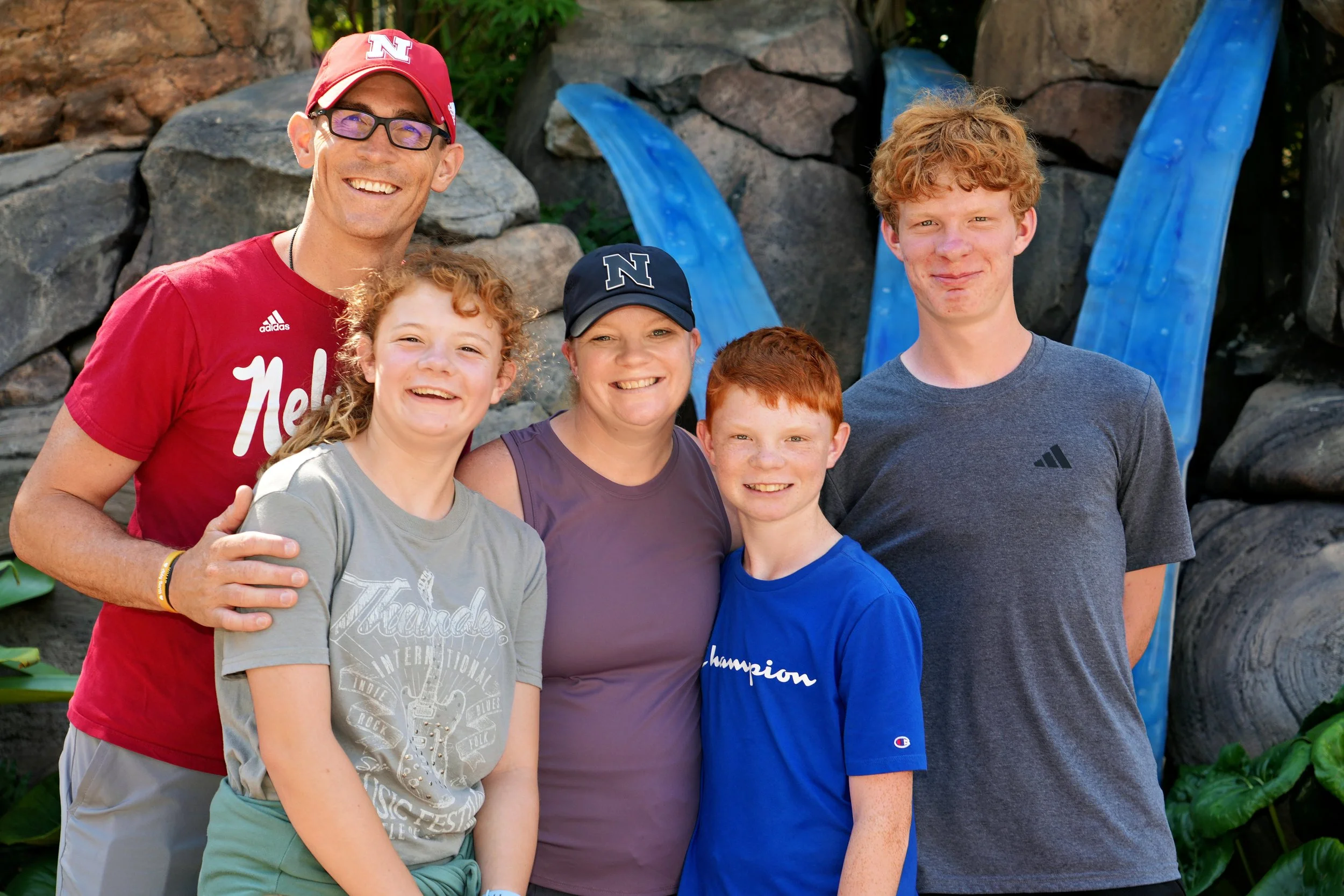
There's a part of the story that never shows up in a feed. Every conference, every flight, every episode recorded over lunch has a cost, and the ones who pay the most are the family at home. Missed dinners. Late nights. A calendar that never seems to stop moving. They put up with all of it, with more grace than they ever get credit for.
But the same work that takes time also gives it back. The flexibility this career creates is the reason there was a World Cup game with CJ this summer and how Husker Volleyball traveling to Las Vegas turned into a getaway with my wife. It’s what keeps Cadi’s afternoon wrestling meets from creating a calendar catastrophe and how a trip to Notre Dame with Jacob could even be possible (thanks to podcast guest Brian Tracy). And if you’re reading this on the day it dropped, I’m in Seattle with my oldest, Matt, to catch a hockey game.
Sure, those are the headline moments. But there is so much more living in between. The concerts, tournaments, games and dinners. Those everyday, ordinary, little things that only feel ordinary until they're gone.
Gratitude is a Daily Routine
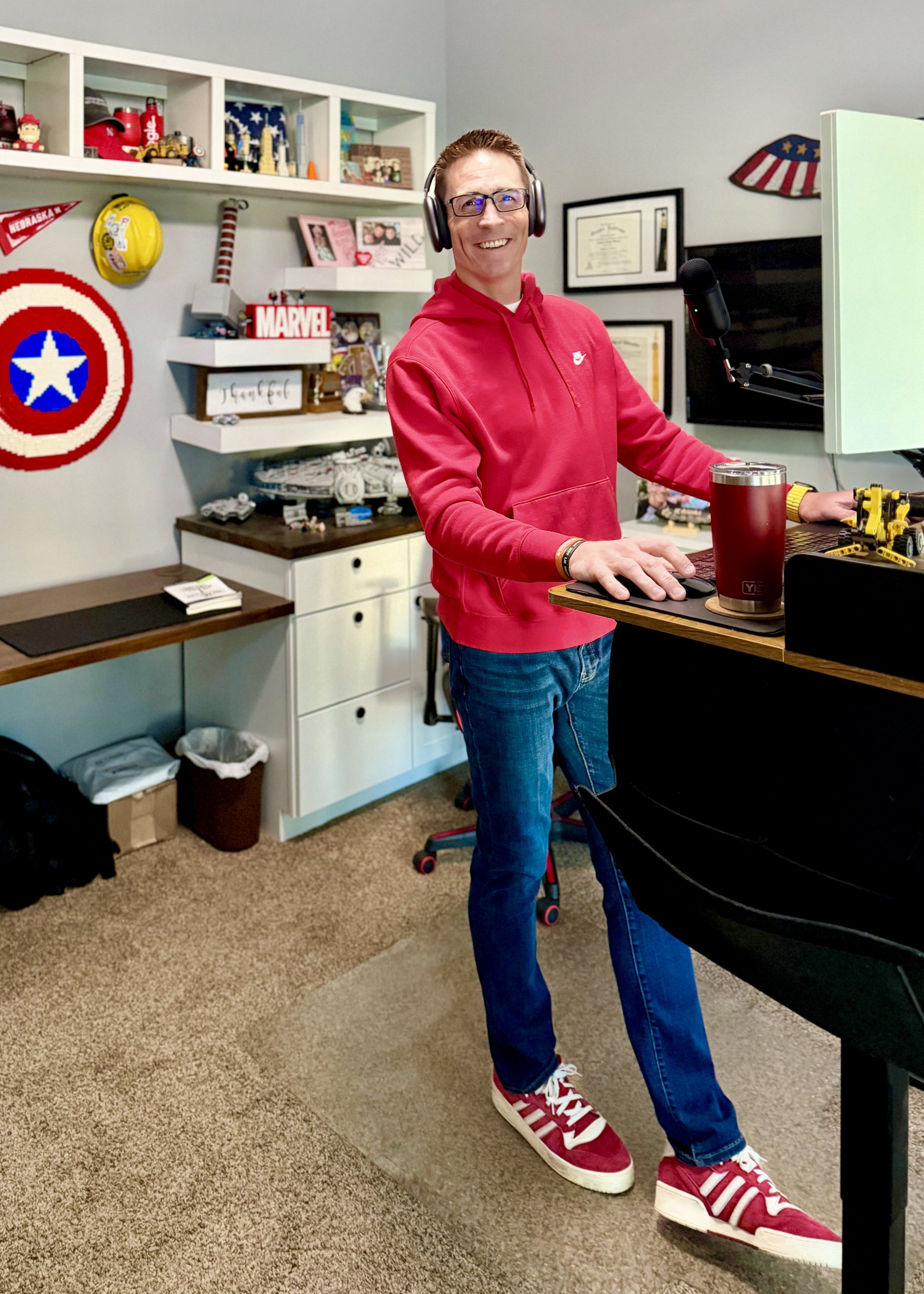
Just like quality should be a daily discipline on our projects, gratitude is best felt in the moment.
So that's where this list comes back around. At times, it isn’t going to be easy. In fact, just the other day the airways around the country shut down and I was trapped in the wrong city. But being grateful in the moment should still be the goal. Both in the times of great joy and in the times where it feels like nothing could go right.
The guests, the field, the hard lessons, the room to grow and the people at home all have one thing in common. None of them waited for November to show up. Quality can’t simply get inspected at the end of a project, and gratitude shouldn’t just be saved for a special month each year. But yeah, this year may have earned an exception.
Next year, the goal is to not need one.
Construction is cool, tell your friends!