Risk for the Rest of Us
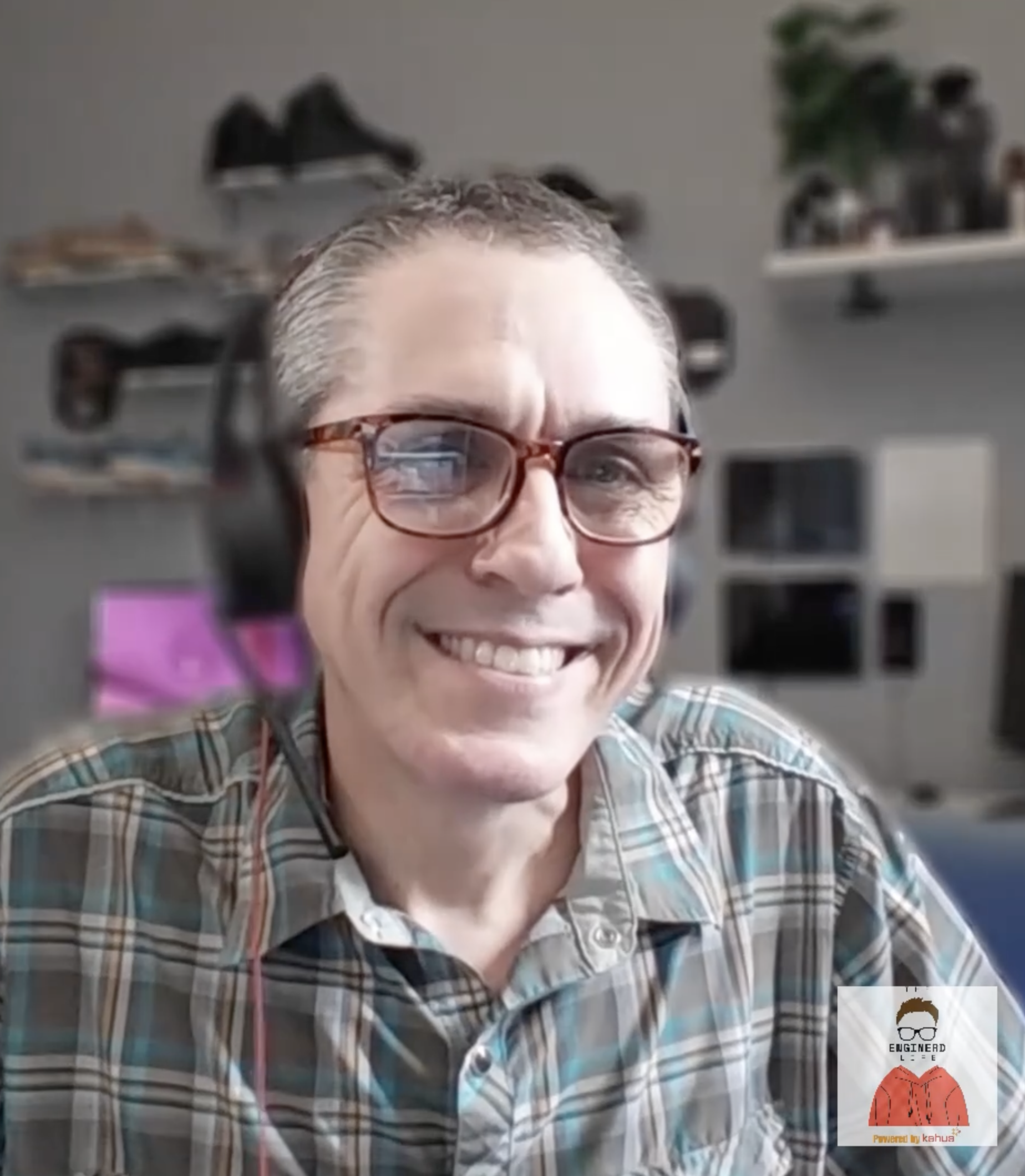
Tom Polen (oddly, we’ve never taken a photo together)
Every so often, you meet someone whose impact on the industry doesn’t come from inventing a shiny new tool or shouting the loudest on a stage. It comes from taking something we as an industry have collectively overcomplicated and calmly returning it to common sense. And that is exactly what happened for me the first time I met Tom Polen from Deltek.
Tom has what I would call a dangerous superpower, dangerous in the best way possible. He takes one of the most intimidating, jargon-heavy topics in construction and strips it down to the point that the rest of us can actually use it.
That topic is risk.
Not “risk management” in the academic sense. Not Monte Carlo simulations, confidence curves or tornado charts stacked twenty slides deep. Just risk, the everyday threats that determine whether a project succeeds or slowly bleeds out while everyone pretends they didn’t see it coming.
What hooked me years ago when I first saw Tom present wasn’t the math or the tools. It was the way he spoke about risk like it belonged to the people in the room instead of the spreadsheet on the screen. That perspective didn’t come from theory. It came from failure.
The Moment the Charts Failed
Early in his career, Tom walked into his first major risk briefing armed with what he thought would impress the room: twenty-seven carefully prepared risk exposure histograms. He had done the analysis. He had picked the right work breakdown structure level. He had the data. As slide after slide went up, the reaction was painfully consistent. “Next slide, please.”
By the twentieth slide, the polite suggestion came to speed things up. No one challenged him. No one argued. No one leaned in. And that’s when it hit him. He wasn’t failing because the analysis was wrong. He was failing because no one understood what he was saying, and worse, no one felt invited into the conversation.
That moment forced a hard realization. Construction doesn’t struggle with risk. It struggles with how we talk about risk. Somewhere along the way, we convinced ourselves that the more complex the charts, the more credible the message. We separated risk from forecasting, put it in its own process, sometimes even assigned it to different people and then wondered why teams disengaged.
Risk became a performance instead of a conversation, something you “presented” instead of something you worked through together.
The Five-Minute Risk Briefing That Actually Works
Tom’s big shift was recognizing that risk and forecasting are not two separate things. They are the same conversation told from different angles. Forecasting without risk is just optimism with formatting. When risk lives on its own set of slides, disconnected from execution, it dies quickly in conference rooms while projects march toward predictable surprises.
So, Tom did something radical. He completely stopped showing charts.
Instead of walking into a room with twenty-seven slides, he started walking in with none. He would open risk briefings with something simple and deeply human…
“I’m nervous about three things on this project. If we don’t address them now, we’re going to be late.”
That’s it. No acronyms. No histograms. No statistical disclaimers. Just an honest statement that immediately reframes the room.
Something incredible happens when you open a meeting that way. Heads come up. Phones go down. People who weren’t listening suddenly want to know what those three things are. Risk stops being abstract and starts being personal.
But the real key? The analysis is still there, tucked behind the scenes, ready to back up the conversation if someone asks. It’s no longer the star of the show, though. The people are.
And that, in a nutshell, is what Tom calls “Risk for the rest of us.”
It’s not anti-math. It’s not anti-software. It’s anti-theater. It’s the belief that the purpose of risk analysis isn’t to prove how smart we are. It’s to change behavior early enough for it to matter. Because when that shift happens, something else changes too. Teams start solving problems in real time.
It really hit home for me when Tom shared a story about standing off to the side of the projector screen, saying nothing for forty-five minutes while the room worked through mitigation steps on their own. That’s risk mitigation happening without anyone needing to label it as such.
The Field Owns Risk, Whether They Like It or Not
Maybe the most powerful part of our conversation though was when we talked about the field. What happens when a superintendent hears all this and says, “Risk isn’t my job”? Tom didn’t hesitate.
“If you own execution, you own the threats to execution.”
There’s no daylight between those two ideas. No one truly expects you to predict the future perfectly, but if you consistently miss risks you reasonably should have seen coming, clients will notice. And eventually, that shows up when the next job is awarded.
Risk isn’t simply a project controls problem. It’s also an execution problem. And execution lives in the field whether we like it or not.
The Most Expensive Sentence in Construction
When Tom takes this message on the road, the pushback isn’t usually philosophical. It’s practical.
“We don’t have time for risk.”
“We don’t have the people.”
“We don’t have the software.”
Those objections sound reasonable until you sit with them for a minute. Tom’s response cuts through the noise. If you don’t have time for risk, you don’t have time for reliable execution. The cost doesn’t disappear. It just shows up later in claims, damaged relationships, blown reputations and missed opportunities.
Ironically, when risk is done right, it takes less time, not more. Five to seven minutes instead of half an hour. One integrated conversation instead of multiple disconnected meetings. Momentum instead of avoidance.
Ten or fifteen years ago, missing a forecast was almost baked into the system. Schedules lived off to the side. Data wasn’t integrated. There was more grace when things slipped.
But that world doesn’t exist anymore.
Budgets are tighter. Schedules are more aggressive. Tolerance for surprises is lower. And with AI and connected systems entering the picture, owners are no longer just looking for systems of record. They expect systems of intelligence.
If a contractor can’t explain how they identify and mitigate risk in plain language, that’s no longer a minor gap. It’s a red flag.
In the End, It’s Not About Predicting the Future
One of my favorite moments in the discussion came when I asked Tom to finish this sentence: risk isn’t about predicting the future, it’s about what?
“Risk isn’t about predicting the future, it’s about communication.”
His answer wasn’t statistical, it was cultural. It was about the permission to talk about uncomfortable futures before they become unavoidable realities. If leadership isn’t passionate about on-time, high-quality execution, no amount of analysis at the project level will save you.
In the end, Tom boiled it down to something almost everyone can do tomorrow. Talk about it. Ask better questions. Where does risk intersect this forecast? What could derail the next sixty days of work? What’s the inconvenient future we’re silently hoping doesn’t happen?
If the conversation never happens, the mitigation never will.
That’s the beauty of “Risk for the Rest of Us.” It doesn’t require a PhD. It doesn’t require a new title. It doesn’t even require new software to start. It requires courage, honesty and a willingness to stop hiding behind charts.
Construction doesn’t fail because we aren’t smart enough. It fails because we avoid the conversations that matter most. If we can get that right, everything else gets a little easier.
Construction is cool, tell your friends!