How Humor Disarms Construction’s Hardest Conversations
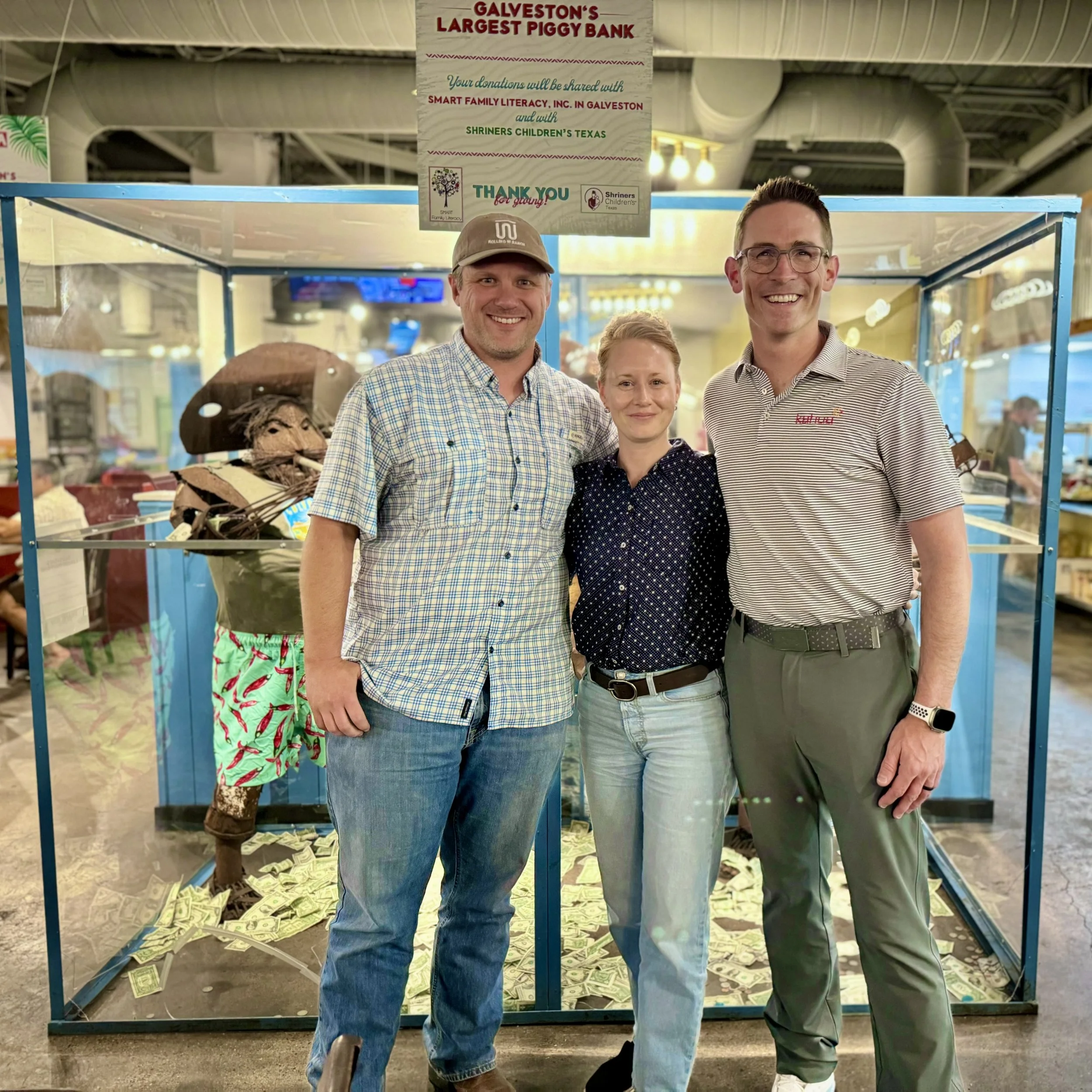
With Matt Graves & Tannis Liviniuk, April 2024
Construction doesn’t struggle because we lack expertise. It struggles because we lack safe ways to talk about the things we all know are broken. Labor shortages. Bad drawings. Buzzwords pretending to be strategy. Tools that promise transformation but deliver yet another login and another workflow no one asked for.
Everyone sees it. Few say it. And even fewer say it in a way that doesn’t instantly raise defenses.
That’s why some of the most meaningful progress in our industry doesn’t start with a white paper, a dashboard or a keynote deck. It starts with a laugh. Not because the problems are funny, but because laughter lowers the guard just enough for honesty to sneak in.
That’s exactly why the first collaboration for TheEngiNerdLife had to be with Matt Graves, the mind behind Construction Yeti. Matt’s superpower isn’t memes. It’s what happens after the meme does its job.
But how did Matt find his way to creating Construction Yeti in the first place?
The 2010 Hangover and the Birth of Empathy
Like many of you, Matt came into construction during the 2010 economic hangover. Real responsibility, very little guidance and zero illusion that the industry had everything figured out. There wasn’t some polished mentorship pipeline to slide into. He learned by being thrown into the deep end, figuring things out in real time and discovering pretty quickly that companies aren’t these perfectly functioning machines we imagine them to be when we’re younger.
They’re messy. They’re imperfect. And most of the time, they’re held together by people doing their best under pressure.
That realization creates a fork in the road. Some people get defensive. Others get empathetic.
Matt chose empathy.
The Trojan Horse Construction Didn’t Know It Needed
Construction Yeti didn’t start as a joke account. It started as a blog. A sincere attempt to create content by people who actually work in construction, for people who actually work in construction. Not marketing fluff. Not SEO theater. Just real experiences from someone who had lived them.
But sincerity alone isn’t enough to get noticed, especially in an industry drowning in content, and Matt was left search for a way to break through the noise.
Turns out, humor is a powerful knife.
For Matt, memes became a Trojan horse. Shared laughter lowers our shields. And once defenses drop, the real conversation walks right in. That’s the move most people miss.
Inside Jokes Create Inside Conversations
Construction humor only works if you’ve lived it. Show a meme about bad drawings to someone outside the industry and you’ll get a blank stare. Show it to a superintendent, a PM, an estimator or an engineer and you’ll hear the laugh that says, “Yep. Been there.”
That shared recognition matters. Because once people feel seen, they stop posturing. They stop defending silos. They stop pretending perfection is the goal.
But the real secret is in the fact that Matt doesn’t use humor to complain. He uses it to name the problem without naming a villain.
That distinction is everything.
While construction certainly knows how to grind, what it doesn’t always know how to do is reflect. Humor creates reflection without accusation. A meme about coordinated drawings isn’t an attack on architects. It’s an acknowledgment of reality and an invitation to talk about expectations, standard of care and shared accountability.
That’s why the comments section matters more than the post. The joke gets attention. The caption sets context. The conversation does the work.
That’s leadership, whether anyone labels it that way or not.
The Fine Line Most People Miss
There’s no shortage of construction meme pages that confuse negativity with honesty.
Matt doesn’t.
The difference is intent. Complaining says, “Look how bad this is.” Constructive humor says, “We all deal with this. Let’s talk about it.” One isolates. The other unites.
And in an industry facing labor shortages, accelerating tech shifts and long overdue conversations around mental health, unity is no longer optional.
It’s survival.
You Can’t Copy a Superpower, But You Can Learn from One
However, Matt is refreshingly honest as he notes the lesson isn’t “go make memes.” While humor happens to be his lane, it took years of experimenting, failing, iterating and paying attention to find it.
The lesson is to find the thing that lowers people’s guard around you. For some, that’s humor. For others, it’s clarity. Or storytelling. Or empathy. Or asking the questions no one else will.
The signal that you’re onto something isn’t likes or views. It’s connection. It’s the DM that turns into a conversation. The comment that turns into mutual respect. The post, meeting or moment that turns into a relationship.
That’s how industries actually change.
So, what does this look like in the real world, on real projects, with real people?
It doesn’t mean turning your jobsite trailer into open mic night. It means using humor the way Matt does, as a tool to lower defenses so the real conversation can finally happen. Sometimes that’s as simple as starting a tense meeting by acknowledging the shared pain in the room. Not by taking a shot at a person, but by naming the absurdity of the situation everyone is surviving together.
When people hear that, they relax. The message underneath is clear. We’re on the same team.
Humor also works best as a pressure release valve, not the main act. When tension rises, people stop listening and start defending. A quick laugh resets the room, puts oxygen back into the conversation and creates space for solutions. Name the absurdity, then pivot.
Humor isn’t the solution. It’s the reset button.
Laugh First. Fix Things Second.
Over time, teams even develop their own inside language. Running jokes become shorthand for problems that used to trigger blame. When that happens, issues can be addressed without attacking anyone’s competence or integrity. The problem becomes the problem, not the person.
This works just as well in leadership rhythms. Field leaders do this naturally. Office leaders sometimes forget. Adding one human moment to a meeting, acknowledging something ridiculous that happened or calling out a quiet win builds psychological safety faster than any poster on the wall ever will.
The most important move, though, is the sequence. Laugh first. Then ask the grown-up question. That’s the Matt Graves formula. The joke disarms. The question advances.
Humor opens the door. Leadership walks through it.
Of course, there’s a line. The fastest way to lose trust is humor that punches people down. Make fun of processes, chaos and yourself. Never cost someone their dignity.
If a laugh requires someone else to lose face, it’s not worth it.
And if humor isn’t your thing, that’s fine. Borrow the principle, not the tactic. Ask yourself what helps people lower their guard around you. Then lead from there.
The goal isn’t to be funny. The goal is to be effective.
Why This Matters More Than Ever
Construction doesn’t need more noise. It needs more trust. And trust rarely starts with credentials. It starts with humanity.
Sometimes that humanity shows up carrying a hard truth. Sometimes it shows up wearing a punchline. Either way, if we want an industry that attracts people, keeps them and gives them something worth believing in, we need more leaders willing to say:
“We can talk about this. And we don’t have to be miserable while we do.”
That’s Matt Graves’ real superpower.
And honestly, construction could use a lot more of it.
Construction is cool, tell your friends!