Invisible PPE: The Human Under the Hat
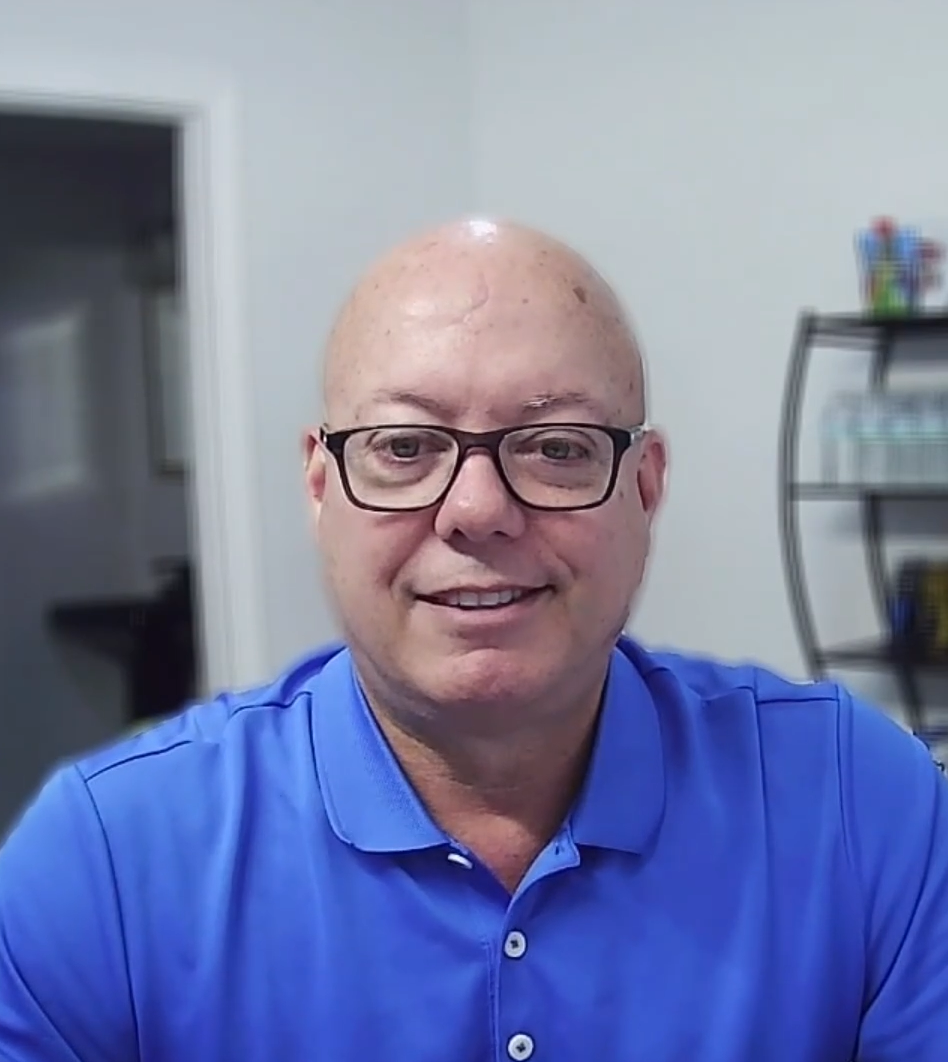
Scott Evans of CEMEX and the man behind the idea of Invisible PPE.
We've spent fifty years getting really good at protecting the wrong half of the worker.
Better gloves, glasses, hard hats and boots. Better harnesses, vests and signage. Even better toolbox talks, incident reporting and stand-downs. We have stacked layer upon layer of physical PPE and digital process on top of the human body and around the operation until we've nearly eliminated the obvious ways a person can get hurt on a job site.
And yet construction loses five times more people to one particular cause than any other physical fatalities. Suicide.
Five times.
It’s a number I’ve heard before, referenced in more than a few studies. But this time, it was more personal, as a guy named Scott Evans shared his story of survival. Five times more people are dying from what's happening inside the worker than from anything that could ever hit them on the outside.
So either we're protecting the wrong half. Or we're protecting half the worker and simply pretending that counts for the whole job.
Engineering the Outside, Ignoring the Inside
Scott has a phrase for what's missing. He calls it Invisible PPE.
The idea is simple and it lands hard. Every other piece of personal protective equipment is something you can see, touch, inventory and audit. A Super can walk a site and tell you in thirty seconds who's geared up and who isn't. There's no ambiguity. You either have your hard hat on or you don't.
But the human under the hat? Nobody's checking that.
Nobody's checking whether the foreman got served divorce papers on Sunday. Nobody's checking whether the carpenter is two payments behind on his truck. Nobody's checking whether the laborer just buried his brother. Nobody's checking whether the project manager has been sleeping three hours a night for six weeks because the schedule slipped and her bonus is on the line.
We've decided as an industry that what we can't see, we don't have to manage.
That's not protection. That's selective protection. And selective protection is how five-times-more shows up on the wrong side of the ledger.
What’s Not Covered on the Safety Board
Here's what Scott said that I keep coming back to.
He said we've equated mental health with mental illness. So when somebody hears "mental health" on a job site, they don't picture themselves having a rough month. They picture a stranger on the corner doing drugs and talking to themself. They picture the extreme. And because nobody on the crew matches the extreme, nobody thinks the conversation applies to them.
Meanwhile, the actual signals like the comedian who's gone quiet, the chatter that's stopped, the breath that smells a little off, that all gets walked past every single day. We see it. We just don't have the vocabulary or the courage to say anything about it. So we ask "you doing all right?" and then accept the "yeah, I'm fine.” We just move on.
But as Scott said, that's not a check-in. That's a checkbox.
In fact, the way Scott framed up the analogy was perfect. He said if you only see the top of the iceberg, you're going to feel pretty good about everything. The crew looks fine. Numbers are clean. Everybody is answering "yeah, I'm fine."
But then, it wasn’t what was on top that sunk the Titanic. We crash into what was hiding underneath the whole time and we act surprised.
The truth is, we just weren't looking.
Corporate Intent Is Not the Problem. Translation Is.
Every company in this industry has a posters-and-apps program for mental health. Hotlines. EAPs. QR codes in the trailer. Anonymous chat tools. Wellness webinars. Coffee talks. Stand-downs with a five-minute segment on "how you doing."
None of it is wrong. All of it is good intent.
But Scott said something that should give us all pause.
“The corporate intent is real. The field translation is broken.”
Because the guy on a midnight pour isn't dialing into a 2 p.m. wellness webinar. He's not trusting that the anonymous app isn't logging his IP address. He's not going to admit to a 1-800 number what he won't admit to his own wife. At the end of the day, corporate programs are built for the corporate audience back at headquarters.
We all can admit the crew is a different audience. So why do we keep handing them the same brochure? The translation that actually works isn't a poster. It's a peer.
It's a guy on the crew who's been through something, who's willing to go first, who's willing to look at his buddy and ask the question a second time after the buddy already said, "I'm fine." That second question is the entire game. The first one is the checkbox. The second one is the check-in.
And the only way you get the second question is if somebody on that crew has the courage to ask it. Which means somebody on that crew must feel safe enough to ask it. Which means the culture must make asking it normal.
And that right there doesn’t just materialize, that has to come from somewhere. It has to come from you and me.
Five Life-Saving Tools
To make this super simple, Scott created what he considers the five life-saving tools. Not magic, just real, practical steps to walk through.
Notice. Spot the signs. The withdrawal. The quiet. The smell. The off-day that's stretched into an off-week.
Ask. And when they say "I'm fine," pause, and ask again. Tell them you're a little worried. Tell them you just want to make sure their head is in the game.
Share. Go first. Drop your own guard before you ask them to drop theirs. "I've been there" is the most powerful three-word sentence in this industry and almost nobody uses it.
Connect. Your job is not to fix it. Your job is to bridge them to somebody who can. A hotline. A clinic. A pastor. A buddy. You're not the cure. You're the on-ramp.
Act. Show up the next day. Grab coffee. Send the text. Don't let the conversation be a one-time event that you both got through and never spoke of again.
You'll be terrible at it the first time. We’ve been there. Get comfortable being uncomfortable. The second time is easier. The third time is normal. By the fifth time, your crew starts doing it without you.
That's what changes a culture. That's how look out for one another scales.
The Industry Doesn't Need a Faster Horse
In the end, Scott came back to the classic Henry Ford quote, “If we'd given people what they wanted, we'd have built a faster horse.”
And that’s just it. We’ve been building faster horses for years. Better PPE. Better incident reporting. Better signage. Better stand-downs. Every year the gear gets a little better while the suicide number doesn't move.
But what changes in you, changes your culture.
The culture isn't going to change because you bought a better hard hat. The culture is going to change when the guy on your crew who's been quiet for two weeks gets asked a second question by somebody who actually wants to hear the second answer.
That's invisible PPE. It doesn't ship in a box. It doesn't get inventoried. It doesn't show up on the safety board.
But it just might be the most important piece of protective equipment on the job, by a factor of five.
How about we all try it on tomorrow?
Construction is cool, tell your friends!