Leading Through Chaos: What Construction Can Learn from the Military
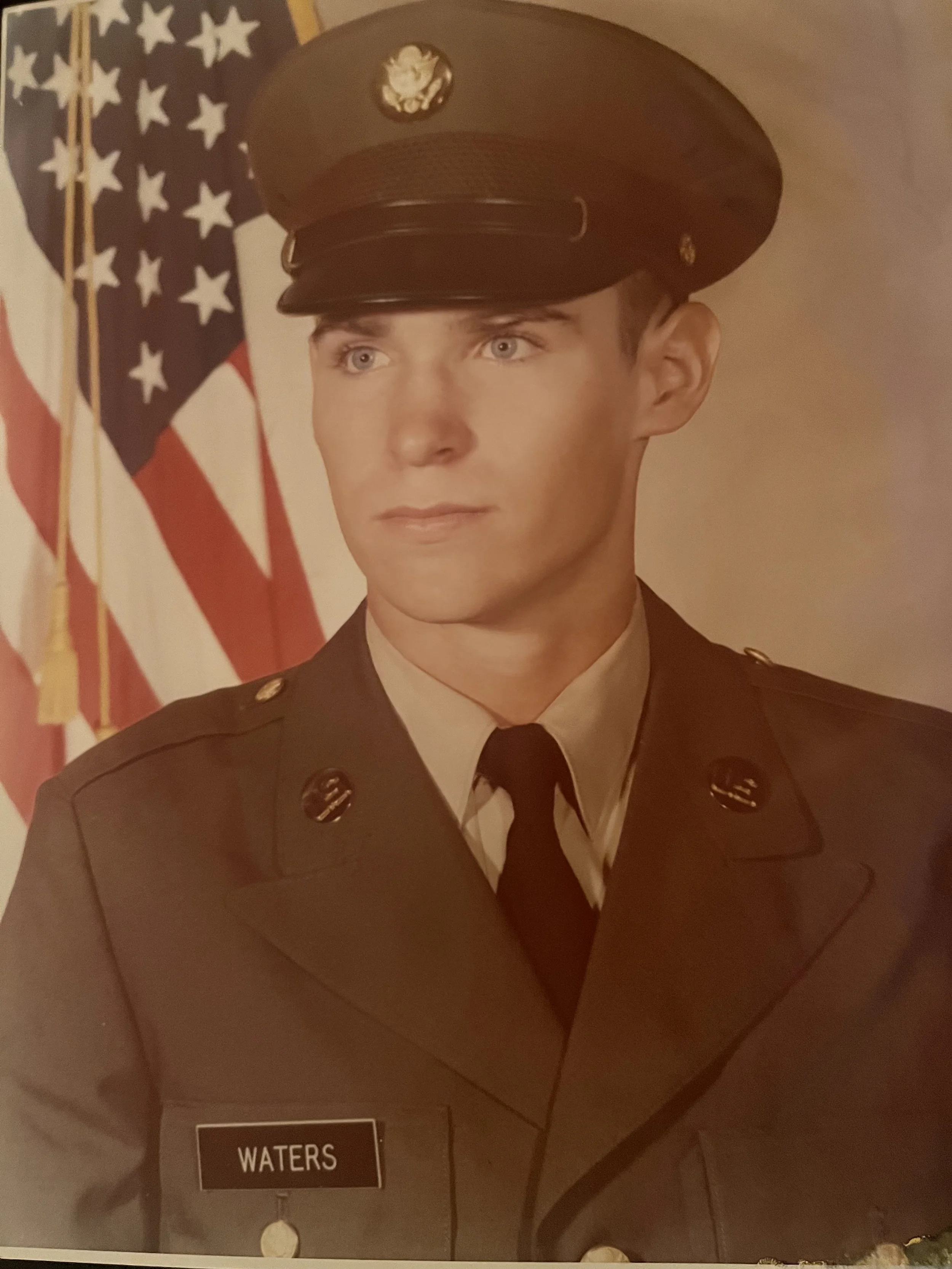
My father, Jim Waters, an Army veteran.
It was one of those Mondays. The kind where your phone starts buzzing before your alarm does.
I had gone to bed with zero items in my inbox and a perfectly mapped out plan for the week. But, by the time I woke up, the emails were flying and the phone was ringing. The concrete numbers were off, by a lot. Then someone realized the latest drawing notes didn’t match the takeoff we’d already budgeted. And by lunch we realized there was an entire floor in a multi-story building missing.
In construction, VUCA doesn’t just describe the environment. It describes Monday.
If you haven’t heard the term, VUCA stands for Volatility, Uncertainty, Complexity and Ambiguity. It’s a term originally coined by the U.S. Army War College to describe the chaotic conditions of modern warfare.
But you don’t need a battlefield to feel it. You just need a project under construction.
The Modern Jobsite Is a Battlefield of Its Own
Every veteran I’ve worked with brings a sense of calm that feels almost supernatural. Where most see panic, they see pattern. Where most see chaos, they see choreography.
That’s not by accident. It’s by training.
In the military, VUCA isn’t just an acronym, it’s their mantra. Soldiers, sailors, airmen and marines are all conditioned to operate with discipline when everything around them is breaking down. They don’t wait for perfect clarity or calm. Instead, they create it.
And construction can learn a thing or two from them.
We have a tendency to tell ourselves we’re in total control on the jobsite. Our CPM schedules, our budgets, our dashboards, they all give us “command” of the chaos. But anyone who’s spent five minutes on a jobsite knows control is mostly an illusion.
But what matters isn’t avoiding that chaos. It’s leading through it.
Volatility → Stability Through Systems
Volatility characterizes the rapid and unpredictable nature of change.
In the U.S. construction sector, total spending dropped 2.8% since July 2024. This was largely driven by material cost swings, labor shortages and policy shifts. Yet one sector, US data center construction, is up a staggering 45%.
That’s volatility, live and in-person.
Military veterans understand that when the environment gets volatile, the system keeps you steady. Standard operating procedures. Checklists. Mission briefs.
In construction, we might not control every delay or disruption, but we can build systems that help us respond faster and smarter when they happen. Contrary to popular complaints, SOPs and playbooks don’t limit us. They free us to think clearly under pressure.
As Marines will famously say: “You don’t rise to the occasion. You fall to the level of your training.”
So next time your steel order gets delayed or the bid war shifts overnight, it’s not the chaos that will break you. It’s having no playbook for it.
Build your systems ahead of time. Because when the ground keeps moving under your feet, uncertainty is never far behind.
Uncertainty → Confidence Through Communication
Uncertainty denotes the unpredictability of events and issues.
Among contractors in the U.S., 53% say that “time constraints or urgency of decisions” present the greatest risk to decision-making. Many of you feel that in your gut too. Tight schedules, missing data and hidden risks keep project teams up at night all the time.
Whether in the fog of war or the fog of construction, uncertainty is everywhere. What separates effective teams isn’t clairvoyance. It’s communication. That’s why Veterans thrive in uncertainty, because they actually TALK. They over‐communicate. They clarify orders, confirm understanding and repeat back instructions until everyone’s aligned.
Clarity doesn’t come from tools alone; it also comes from trust. And trust is built one honest, transparent conversation at a time.
When the design team hasn’t yet resolved the MEP clash and someone asks, “so what’s the plan?”, be ready with more than a curt “we’ll figure it.” Communicate the next step, the fallback, the accountable person.
That’s confidence in uncertainty.
Complexity → Simplicity Through Structure
Complexity describes the intertwined forces and issues where cause and effect are unclear.
A recent review of construction project literature found the most important criteria impacting complexity include the number of stakeholders, the scope and project objectives and the management structure. In other words, a typical jobsite. When you’ve got 30 subcontractors, 4 design firms, 2 delivery models and simultaneous occupancy, the complexity escalates quickly.
The military is the master of simplifying the complex: chain of command, mission briefs, clear roles. Everyone knows their responsibility, and that structure creates freedom, not bureaucracy.
Construction often flips that with layers of management, multiple systems and unclear workflows. And then we wonder why the field is frustrated. Veterans teach us that simplicity isn’t about doing less, rather it’s about focusing on what matters most.
You can’t run the whole mission at once. Just focus on the next step and win that block of work. Define your block of work through clear roles and clear boundaries.
Simplify the complexity so people can act.
Ambiguity → Clarity Through Leadership
Ambiguity points to unclear realities and potential misunderstandings stemming from mixed messages.
Research shows ambiguity in the project manager’s perception is one of the most cited failure-factors in construction projects. When everyone’s reading a different version of “what success looks like,” things often go sideways.
Veterans deal with ambiguity differently, they lean into it. They don’t wait for every answer to act; they move forward with what they know and lead others through what they don’t.
In construction, that’s leadership at its finest. Having the ability to say, “we may not know everything, but we know enough to take the next right step” is vital in keeping projects moving forward.
So, when drawings aren’t finalized, or the scope is shifting, resist paralysis. Lead by setting the next action, the accountable person, the date to execute.
That clarity cuts ambiguity.
Why the Military Leads Differently
The military doesn’t separate leadership from service. They understand that the mission only succeeds when every person is accounted for and equipped.
That same mindset transforms jobsite culture. When people feel seen and supported, they perform with purpose. This is one of the core reasons veteran leaders (and their leadership principles) transition so well into construction. They calm a crew mid‐crisis, redirect a schedule meltdown with quiet confidence and turn a finger-pointing meeting into a moment of unity.
They don’t panic, they simply prioritize.
And that’s the kind of leadership our industry needs.
Not louder voices, but steadier ones.
The Mission Never Ends
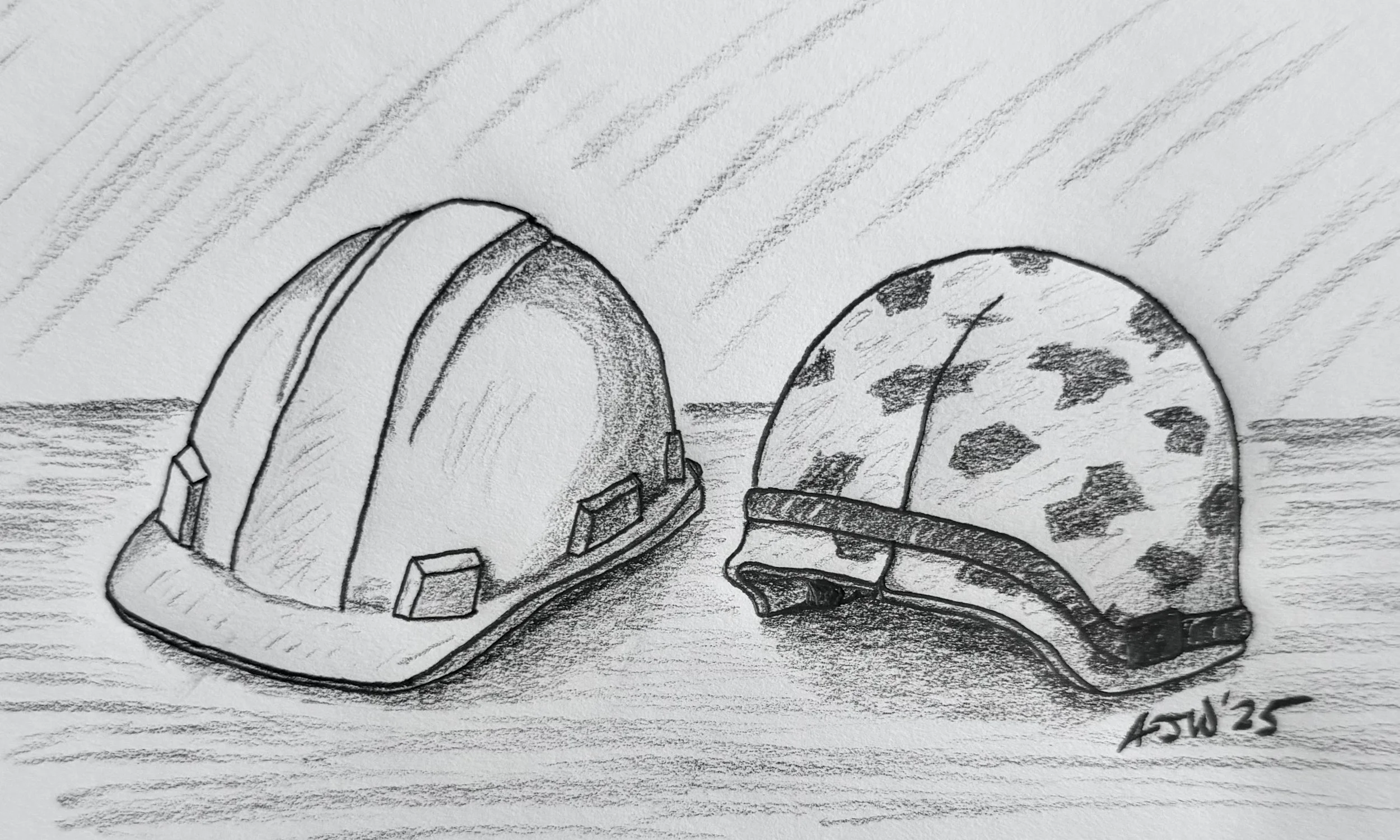
So, on this Veteran’s Day, I’d like to take a moment and say thank you.
Thank you to every veteran in the construction industry. Thank you for your service to our nation and thank you for continuing that service every day you step onto a jobsite.
You remind us that leadership isn’t about titles. It’s about taking responsibility when it would be easier to look away.
You show us that discipline isn’t rigidity. It’s about readiness.
And you prove that courage isn’t about running toward danger. It’s about standing firm when everyone else wants to run.
Construction is a mission of its own. And because of you, we’re building it stronger, smarter and steadier than ever.
Construction is cool, tell your friends!