The Grain Doesn’t Lie
When it comes to art, and the idea of molding stellar creations out your material of choice, there is one common skill that each great builder has.
Patience.
Whether wood or metal, acrylic or oil, every great artist has patience. But we’re not talking about the passive kind. We’re talking about the kind that builds projects people love and cherish for years to come.
Believe it or not, we can learn from this kind of patience. And what we can learn is a lesson construction has desperately needed.
The Realest Superpower on Any Site
Superpowers are awesome. Every one of us at some point has dreamed of flying. Or of having super strength. Or of the “Spidey sense” that warns us of something being wrong before we can see it.
Unfortunately while they may be helpful, none of those can be used to build buildings.
So this week, we had a little fun debating what the coolest superpowers are and whether it’s the power or the person that makes the hero great?
It was a fun conversation, but in the end, the real moment of this debate isn’t about the comics at all.
The Vacation Test
Honest question for you. Would your pipeline survive you turning your phone off for a week?
Not "would things get a little messy," but truly hold momentum and lock down deals while you're away.
For most teams across construction, the answer is no. The good news is, that's not a people problem. The bad news is, it’s a much more difficult problem to solve.

You Are More Than Your Job Title
It's time to challenge one of the most limiting beliefs in construction and engineering: that your job title defines your future.
In this honest, practical and grounded conversation, Stefanie shares her own non-linear career journey and the thinking behind her More Than an Engineer movement. She unpacks why “stability” is often an illusion, how fear and identity quietly drive burnout and why small career sidesteps can be more powerful than dramatic pivots.
If you’ve ever felt like something was missing in your career, but couldn’t quite put your finger on it, this one is for you.
Because you are more than your job title.
If Your Construction Tech Failed, This Might Be Why
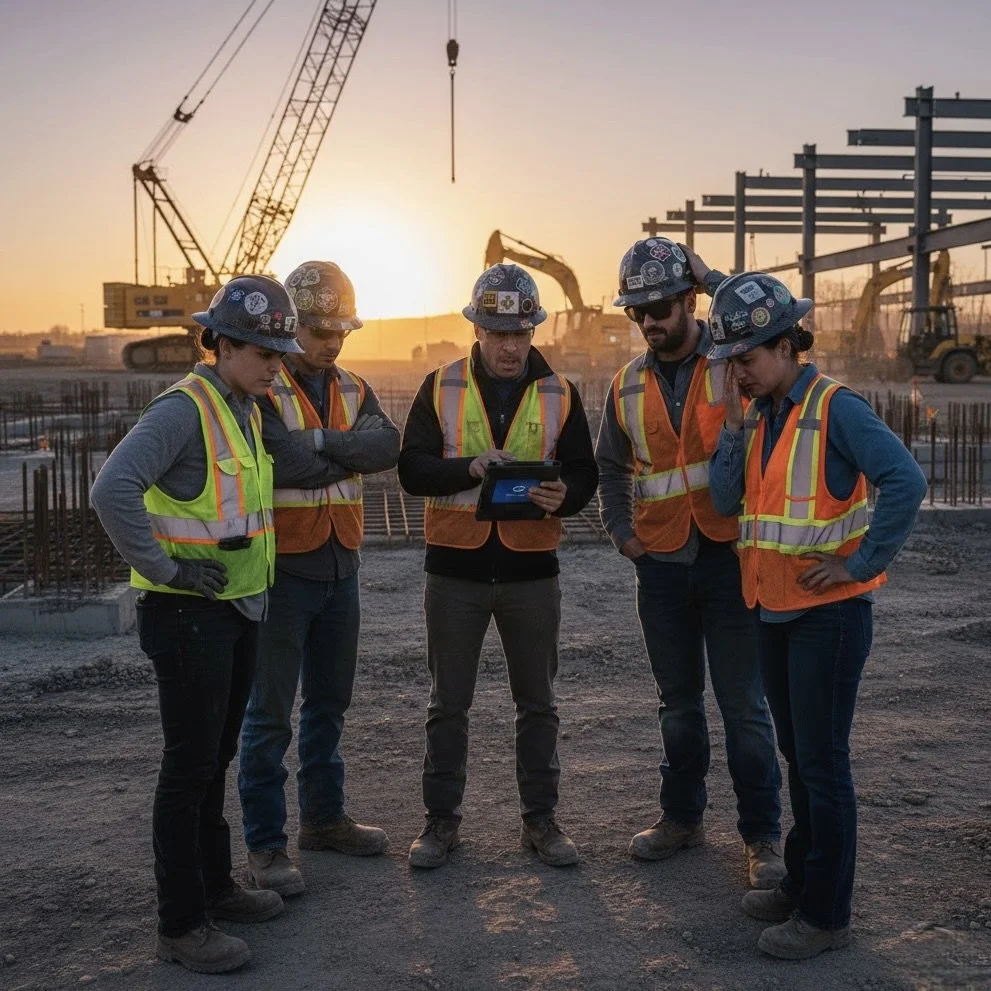
Your implementation failed. Now you’re left wondering why.
And while it might be easy to point fingers at the tech, or at the executive sponsor or even at the construction industry in general for not understanding how to best move forward, there just might be a different reason things went sideways.
More often than not, the effort required to make technology work peaks before the ROI becomes visible. Somewhere in that gap, many simply give up.
The first time you experience it, you assume something has gone wrong. But the more reps you take, the more you begin to recognize what it actually is: a predictable phase.
But there’s a second side to this equation, and it wasn’t until recently that I put two and two together.

At What Point Does “Best Practice” Become “We’ve Always Done It That Way”?
“It’s a best practice.” My, how we love that phrase in construction. In fact, I can still remember the first time I heard it. The answer came back fast and confident, conversation over. Not in a rude way, just fact.
But if we’re not careful, there’s a secret side to the idea of something being a best practice.
That is, at what point does “best practice” simply become an excuse for “we’ve always done it that way?”
Construction Doesn’t Hate Innovation. It Hates What Innovation Reveals.
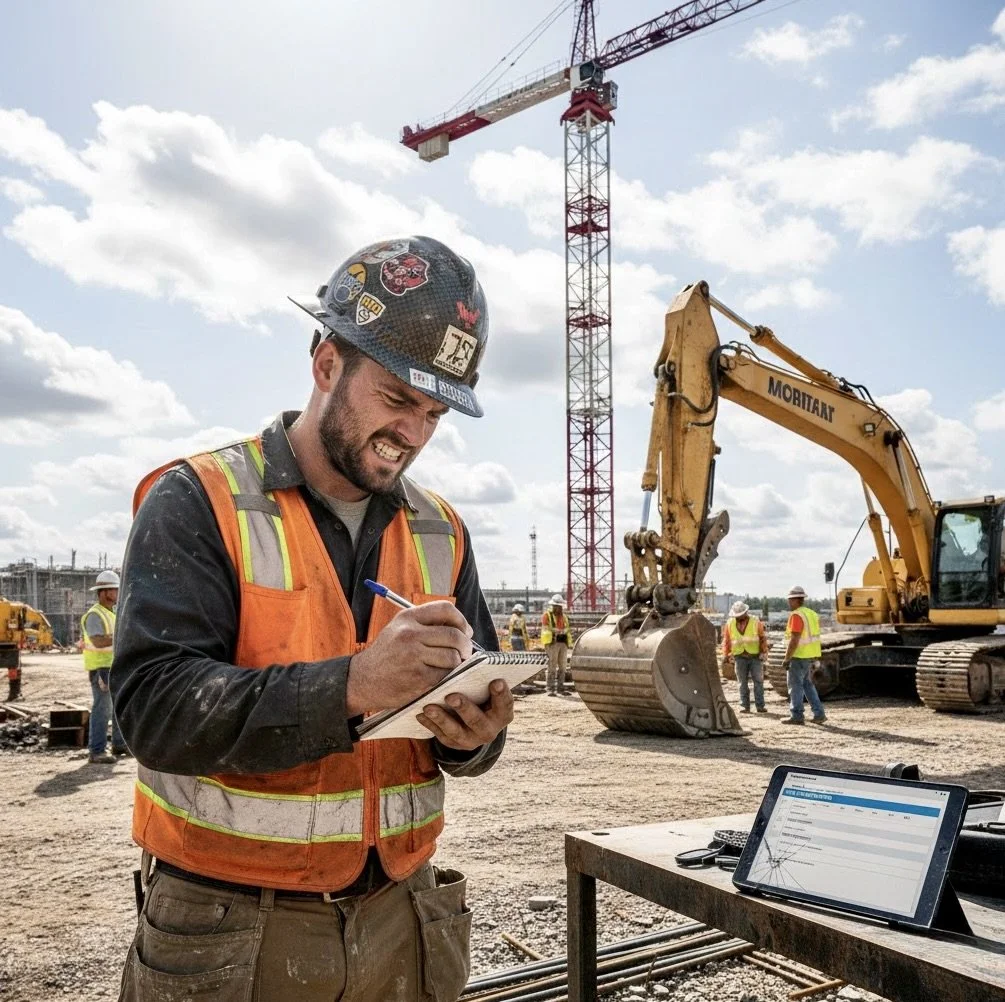
We like to say construction resists innovation because it’s old-fashioned, risk-averse or slow to change. Personally, I don’t think that’s true. Construction doesn’t hate innovation. It hates what innovation reveals: the inefficiencies, the power structures, the status quo.
You see, innovation forces us to ask the truly difficult questions around why we’ve “always done it that way.”
And as a result? Well, bureaucracy doesn’t kill innovation accidentally. It kills it to protect itself.
Expanding the Conversation in Construction: Mission 2026
In 2025 I launched a ridiculous idea. A place to talk about the messy, human, hilarious, frustrating and brilliant reality of this industry we all love.
But the heartbeat behind TheEngiNerdLife was never about just a blog for lessons full of half-serious satire. It was about creating a place to have honest conversations about what it means to build things. A place to say the things I wished more people in construction were saying out loud.
So when looking toward 2026, I don’t want this to be just a turn of the calendar with simply “more blogs on the way.” Something feels different. In 2026 it’s time for TheEngiNerdLife to level up.
TheEngiNerdLife in Review
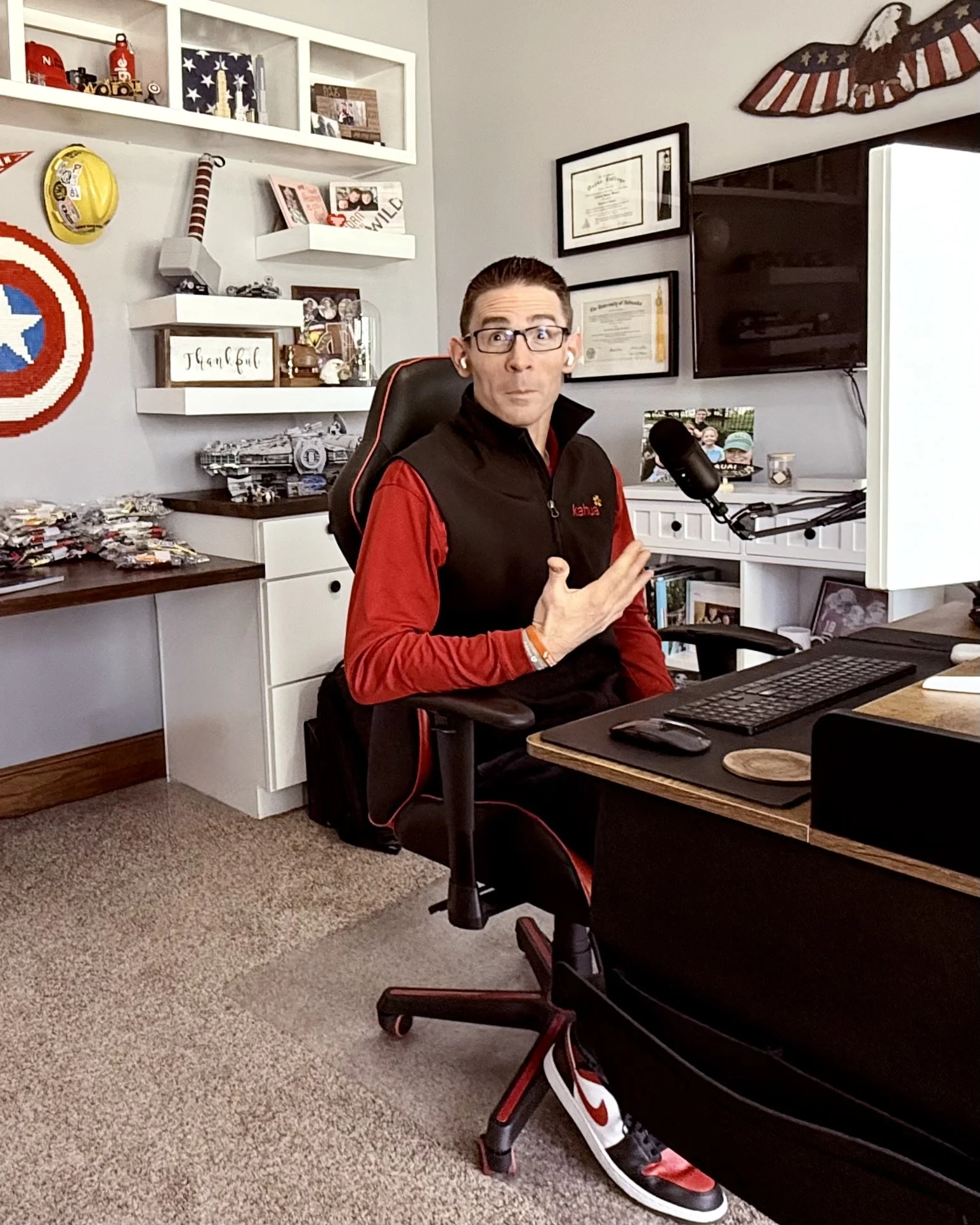
Every new endeavor we attempt to tackle comes with a lesson, but that lesson rarely reveals itself up front. No, instead it tends to sneak up on you and slap you across the face.
So, after a year of TheEngiNerdLife, I got smacked by a lesson in clarity. A lesson about how all this work educating others has actually been teaching me all along.
Teaching me what exactly? Well, in a true end-of-the-year reflective fashion, here are the seven things 2025 taught me.
The Real Reason Your Team Hates New Software
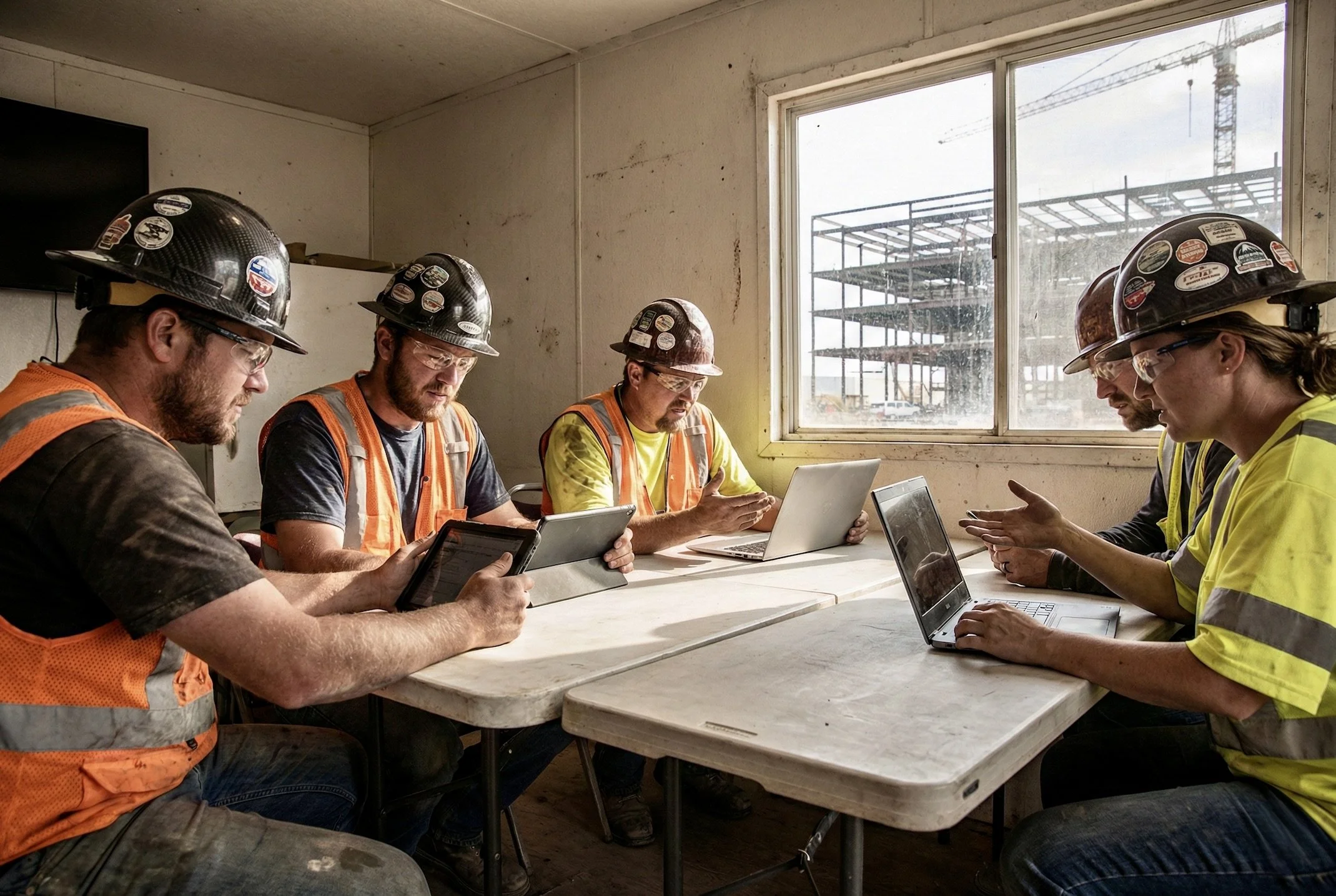
In the physical world, the definition of project success is necessary. You don’t break ground (really, you don’t even mobilize) until the scope is clear. Yet in the digital world, we treat transformation like a simple software install instead of what it truly is: a behavior-changing effort that touches every corner of the organization.
Spoiler alert, that doesn’t work.
Digital transformations rarely fall apart because of the software. They fall apart because no one ever aligned on the purpose to begin with. And if the foundation isn’t right, nothing built on it will be either.
We Can’t Build Anything Worthwhile If We’re Busy Fighting Each Other
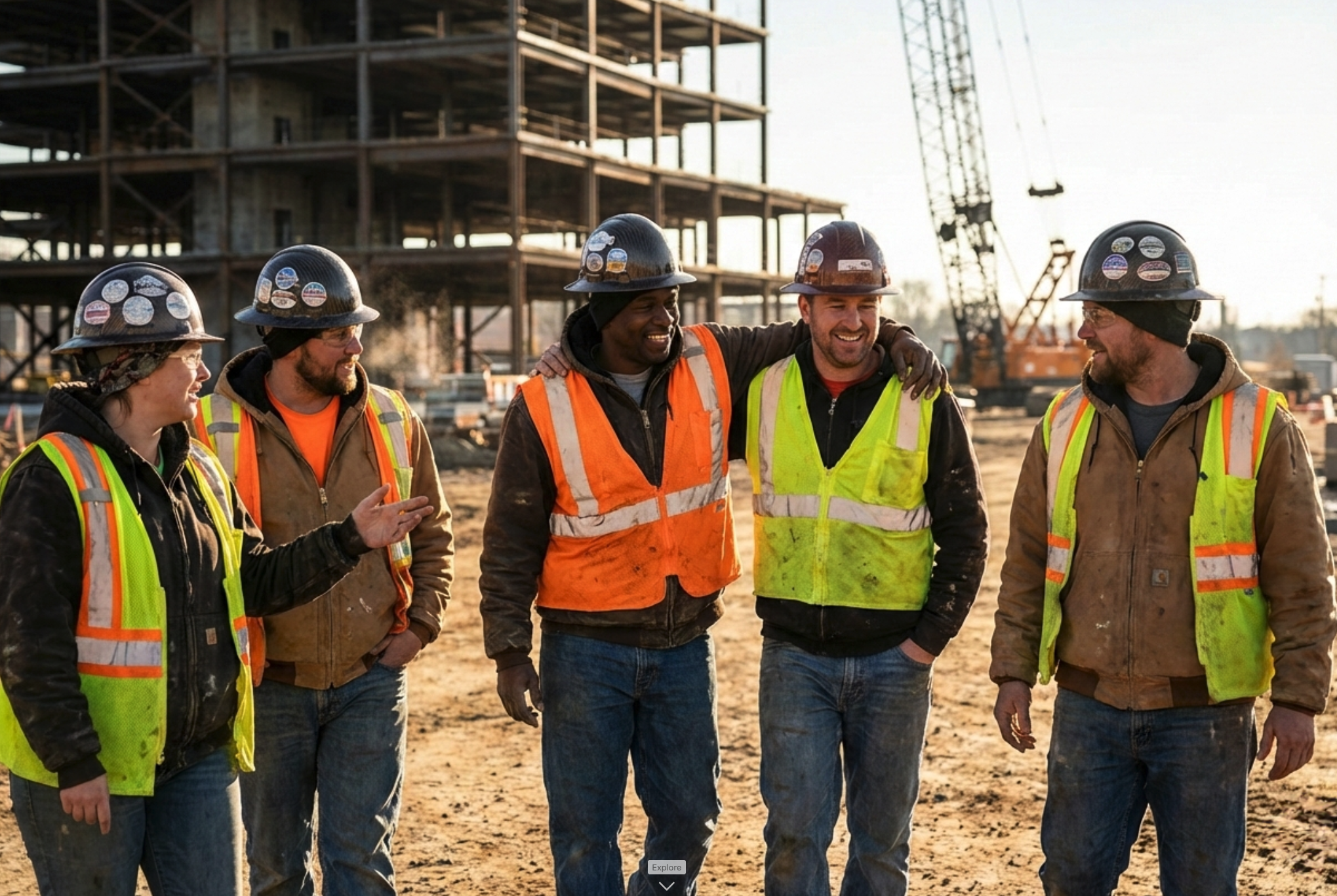
I’ve spent my entire career in and around construction and if there’s one thing every jobsite has taught me, it’s this: We are really, really good at fighting.
Unfortunately, I don’t mean a healthy debate. I mean real fighting. The kind where we draw battle lines and weaponize RFIs.
I get it, the stakes in construction aren’t theoretical and somewhere along the way we convinced ourselves that survival requires being on constant defense.
But you can’t build anything meaningful with clenched fists. And in this week where we focus on giving thanks, that truth is becoming harder to ignore.

Leading Through Chaos: What Construction Can Learn from the Military
It was one of those Mondays. The kind where your phone starts buzzing before your alarm does. By the time I woke up, the daily concrete numbers were off, by a lot, and by lunch we realized there was an entire floor in a multi-story building missing.
In construction, VUCA doesn’t just describe the environment. It describes Monday.
While originally defined by the U.S. Army War College to describe the chaotic conditions of modern warfare, you no longer need a battlefield to feel it. You just need a project under construction.
So how do we lead through it?

What It Really Means to Enable Innovation
Everyone will tell you they want innovation. Yet all too often, we treat it like a product to buy instead of a culture to build. We’ll sit around and talk about it all day, but few will actually live it.
The truth is, innovation isn’t something you install; it’s something you enable.
And truly enabling innovation is about more than money, software or slogans. It takes people willing to think differently, processes designed for adaptability and leadership courageous enough to trust both.

Enough is Enough: Construction Needs Leaders Who Are Real
I’ll never forget that sunny vacation morning, sipping my coffee out on the deck and enjoying the view. Then my phone rang.
“We need you to do this meeting today.”
Day in and day out, we preach “core values”, but when the rubber hit the road, feeling valued is an afterthought. And that’s the nature of construction, isn’t it? This constant gap between what we say and how we actually behave.
The truth is, construction has a culture problem, one we created ourselves. So, how do we fix it?
In Construction, Overload Sounds Like “This is Stupid”
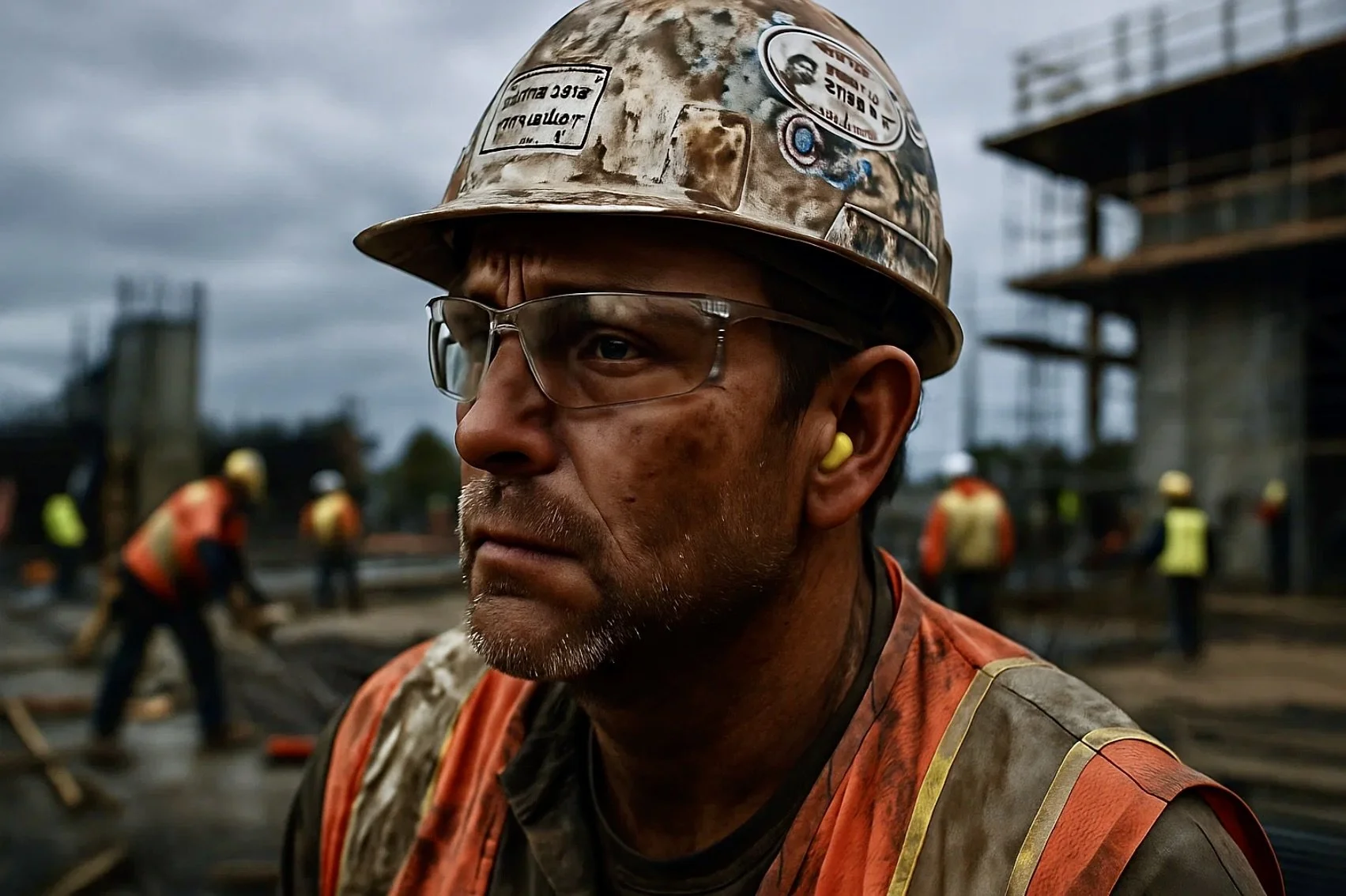
There was a moment about a decade ago, one of those moments where it clicked. In the midst of a massive tech overhaul, a superintendent stopped me with, “I’ve got eight different logins, five different interfaces and dozens of manual workarounds.”
That’s when it hit me: it wasn’t that these folks hated technology. They hated drowning in technology.
At the time, I didn’t have a word for it. But now I know it was my first real-life encounter with cognitive load. And in construction, we’ve been quietly letting it chew away at productivity, safety and morale for years.
Goals Are Great, But Systems Protect the Margin
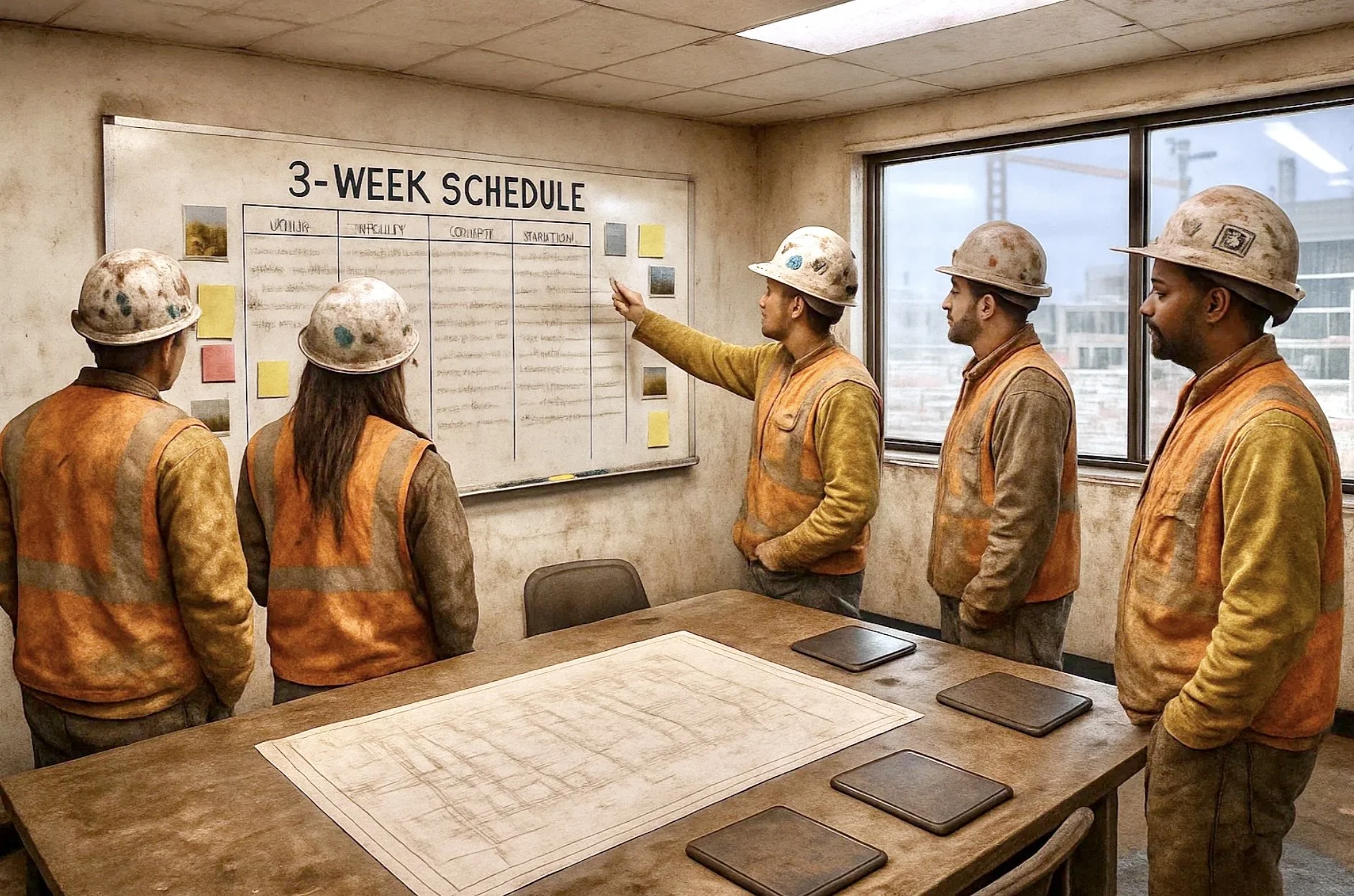
Anyone who knows me knows I love a good challenge. Sometimes too much. But despite all the plucky optimism I might attempt to muster chasing after an audacious goal, it will never be enough. You simply don’t succeed because you aimed high.
You succeed because your systems didn’t let you fall.
In construction that fall can happen fast, so how do we avoid it?
Risk Averse: The Overlooked (and Inevitable) Gift of Failure
Failure is one of the greatest teachers we’ll ever have…yet construction tends to treat it like an embarrassment.
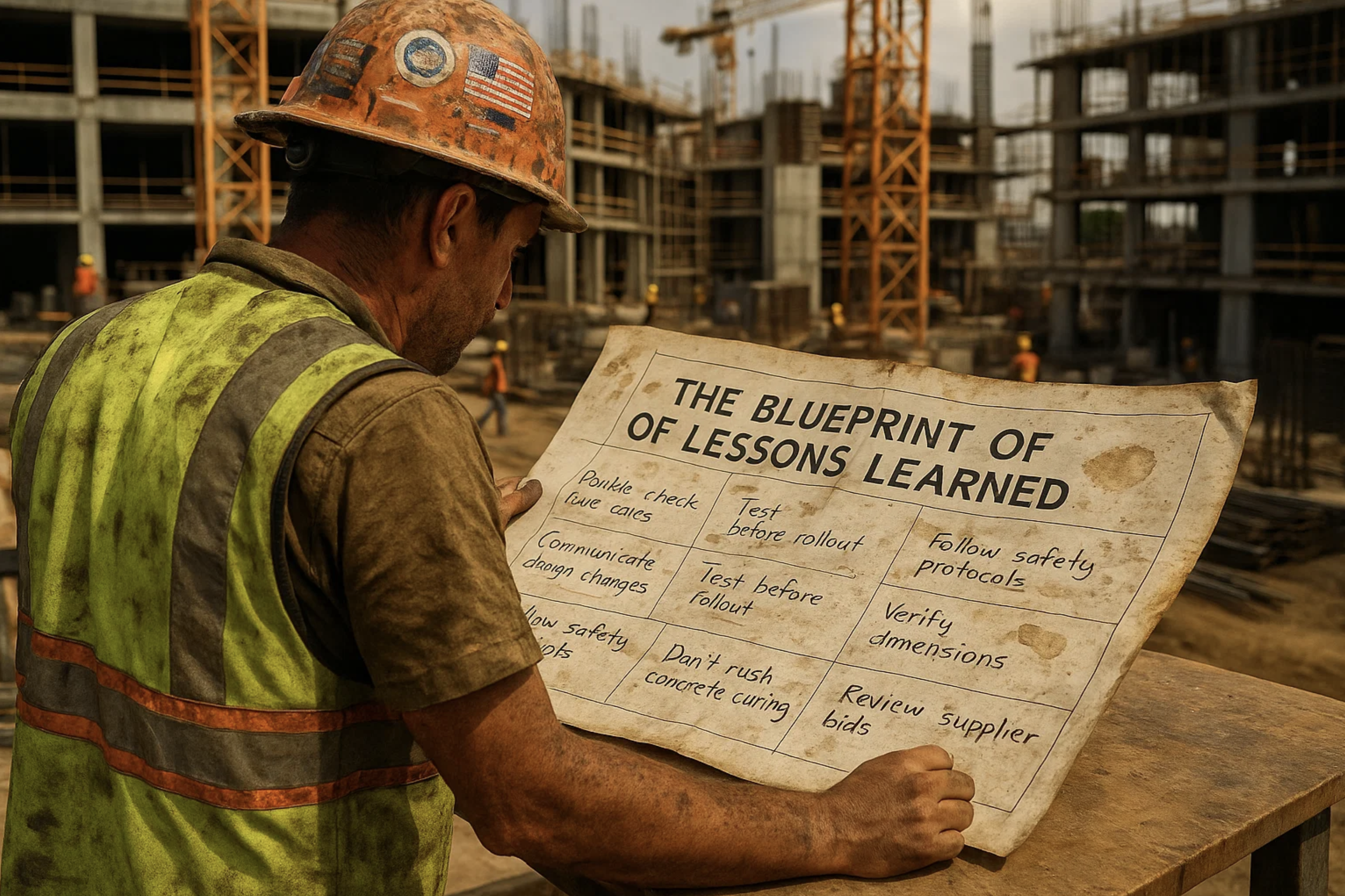
At the end of the day, every win is built on a graveyard of failures. Somewhere along the way, someone tried something, fell short, dissected what went wrong, adjusted the plan and tried again.
So instead of running from it, how do we build learning from failure into our culture?
