TheEngiNerdLife in Review
7 Things This Year Taught Me About People, Projects & Being Human in Construction
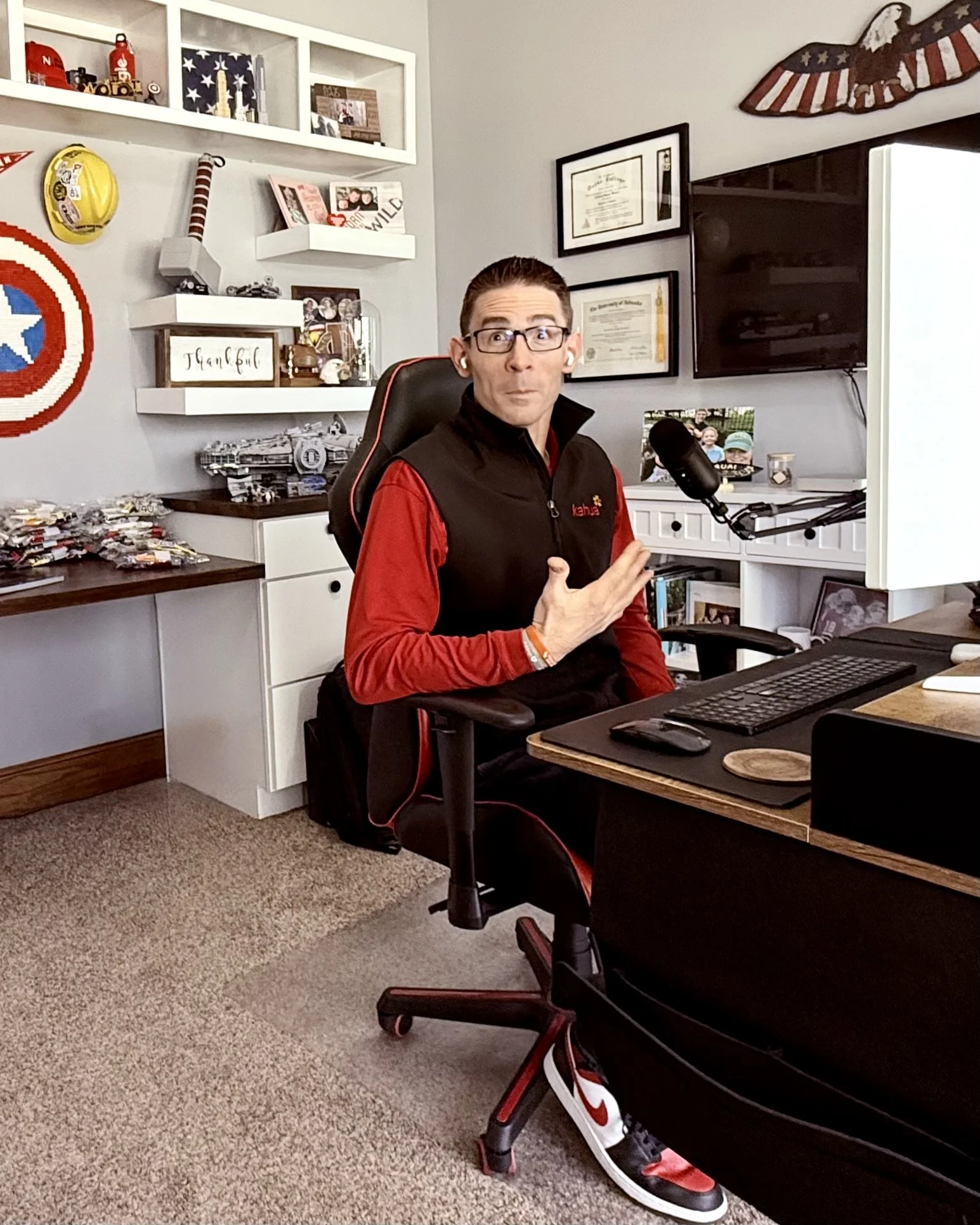
Every new endeavor we attempt to tackle comes with a lesson, but that lesson rarely reveals itself up front. Instead, it tends to sneak up on you somewhere between a late-night airport connection, a conversation you didn’t expect to have or a blog you start writing for your audience but realize halfway through you’re really writing for yourself.
So, after a year of TheEngiNerdLife, I stumbled across a lesson in clarity. Not the big dramatic kind, but the quiet kind that shows up when you slow down long enough to notice. To notice that all this work educating others has actually been trying to teach me all along.
Teach me what exactly? Well, in a true end-of-the-year reflective fashion, here are the seven things 2025 taught me. Things about technology, yes, but far more importantly things about people, leadership, courage and the work beneath the work.
1. When it comes to AI, no one really knows what they’re talking about.
If you’ve wandered into any conference hall this year, you know the vibe. AI was everywhere. Every sign, every booth, every demo felt like it had been dipped in a fresh coat of “AI-powered magic.” But beneath the excitement, I kept hearing the same quiet truth: most people don’t actually understand what they’re selling, buying or even talking about.
All of this reinforced something I was already seeing in real conversations. Construction’s data is scattered, incomplete, unstructured and inconsistent. You can’t train models on chaos and expect clarity. Yet the industry kept trying, hoping AI would fill in the gaps we never addressed in the first place.
But the real story of 2025 was that AI isn’t the hero here. Data discipline is. Architecture is. Structure is. AI doesn’t fix our problems. It reflects them back to us. And once we stopped expecting the technology to be a superpower and instead treated it like a partner that needed real support, it made a whole lot more sense.
That’s right, AI doesn’t start with algorithms. It starts with architecture.
2. Mental health is not the same as mental illness.
This was one of the most important lessons of my year. First, Ian was kind enough to guest write on the blog, but then I also had the chance to moderate a discussion with Stephanie and Rob. In the midst of their sharing, I realized how often we collapse mental health into a conversation about crisis. All too often mental health is something we only talk about when someone is breaking apart, not something we maintain (you know, like physical health).
But this year, in conversations with friends, coworkers, strangers at conferences and even people who reached out after reading my blog, it became clear that mental health isn’t binary. It isn’t “fine” or “not fine.” It shifts. It flexes. It needs attention even when life is going well.
And in construction, where the default answer to “How are you doing?” is “Fine,” even when we’re not, the simple act of being honest became one of the quiet revolutions of 2025. If there’s one thing I hope continues into next year, it’s that we normalize the simple truth that mental health belongs to everyone, every day, not just the people in crisis.
3. Construction still has a culture problem.
This one isn’t new, but each passing year makes it harder to ignore. The construction industry still struggles with a culture built on toughness, speed, ego and the illusion that vulnerability is a liability.
I saw teams cling to outdated norms because they were familiar. I saw people hesitate to speak up because they weren’t sure if it was safe. And I saw the burnout and cynicism that comes from working inside systems designed for efficiency, not humanity.
But I also saw something hopeful. I watched women step into leadership roles with boldness and clarity. I saw teams embrace empathy in ways I’ve never witnessed before. I saw leaders choose humility over hierarchy and honesty over perfection. It reminded me that while culture may be slow to change, it is slowly changing.
And that all starts with people who decide to lead differently, even when it’s uncomfortable.
4. It’s ok to be authentically you at work.
If there’s a lesson I learned the hard way, it’s this one. There was a long stretch of my career where I listened too much to the critics about what it meant to be “professional.” Don’t bring up your hobbies. Don’t talk about your family. Don’t admit when you’re wrong. Don’t show emotion. Don’t let people see the real you.
All that did was trim off the parts of myself that didn’t fit someone else’s imaginary mold.
But the more I engaged in real conversations throughout the industry, the more I realized how much energy we waste pretending. Authenticity isn’t unprofessional; it’s disarming. It builds trust faster than any strategy, certification or slide deck ever will.
This year taught me that the more I leaned into who I really am (a husband who loves his family deeply, a father who still tries to coach basketball amidst the travel and a human willing to admit when he messed something up) the more people connected.
Authenticity shouldn't just be allowed at work. It should be necessary.
5. Construction is suffering from digital transformation overload.
This was a universal lesson that has been coming through loud and clear, because it doesn’t matter who you talk to; the fatigue is real.
Teams are juggling more tools, more dashboards, more automations, more demands and more complexity than ever before. And somewhere along the way, digital transformation turned into digital accumulation. If it existed, we added it. If someone bought it, we tried to use it. If it was “AI-powered,” we assumed it had to be better.
But this year forced me to see through a deeper lens. The problem isn’t the technology. It’s the lack of alignment behind the technology. It’s leaders who implement tools without direction. It’s teams who get new systems without context. It’s organizations who mistake busyness for progress.
This year taught me that technology without clarity just exhausts people. And when people are exhausted, the tech doesn’t stand a chance.
6. Have strong opinions, but hold them loosely.
This phrase became the compass for nearly everything I wrote this year. It is becoming increasingly apparent that the most effective leaders aren’t the ones who cling tightly to their “always did it this way” ideas. They’re the ones who stay open to the possibility that they might be wrong.
There were several moments this year that forced me to confront my own rigidity. Times when I realized I had more certainty than understanding. Times when someone else’s perspective shifted my own. Times when I caught myself defending something simply because it was familiar, not because it was still right.
The lesson was simple: strong opinions build momentum, but only if you hold them loosely enough to evolve. The combination of conviction and humility is what turns stubbornness into leadership.
7. Real innovation demands courage.
If there was a thread woven throughout the year it was this: innovation isn’t about ideas at all. Ideas are everywhere. Innovation is about courage. And courage is rare.
Courage is admitting when something isn’t working.
Courage is trying something new before you feel ready.
Courage is letting go of the familiar.
Courage is leading without knowing exactly where the path ends.
Courage is choosing progress over perfection.
Every meaningful change we saw this year came from someone choosing courage over comfort. The tech didn’t make them innovative. The budget didn’t make them innovative. The org chart didn’t make them innovative.
Their courage did.
We’re All Works in Progress
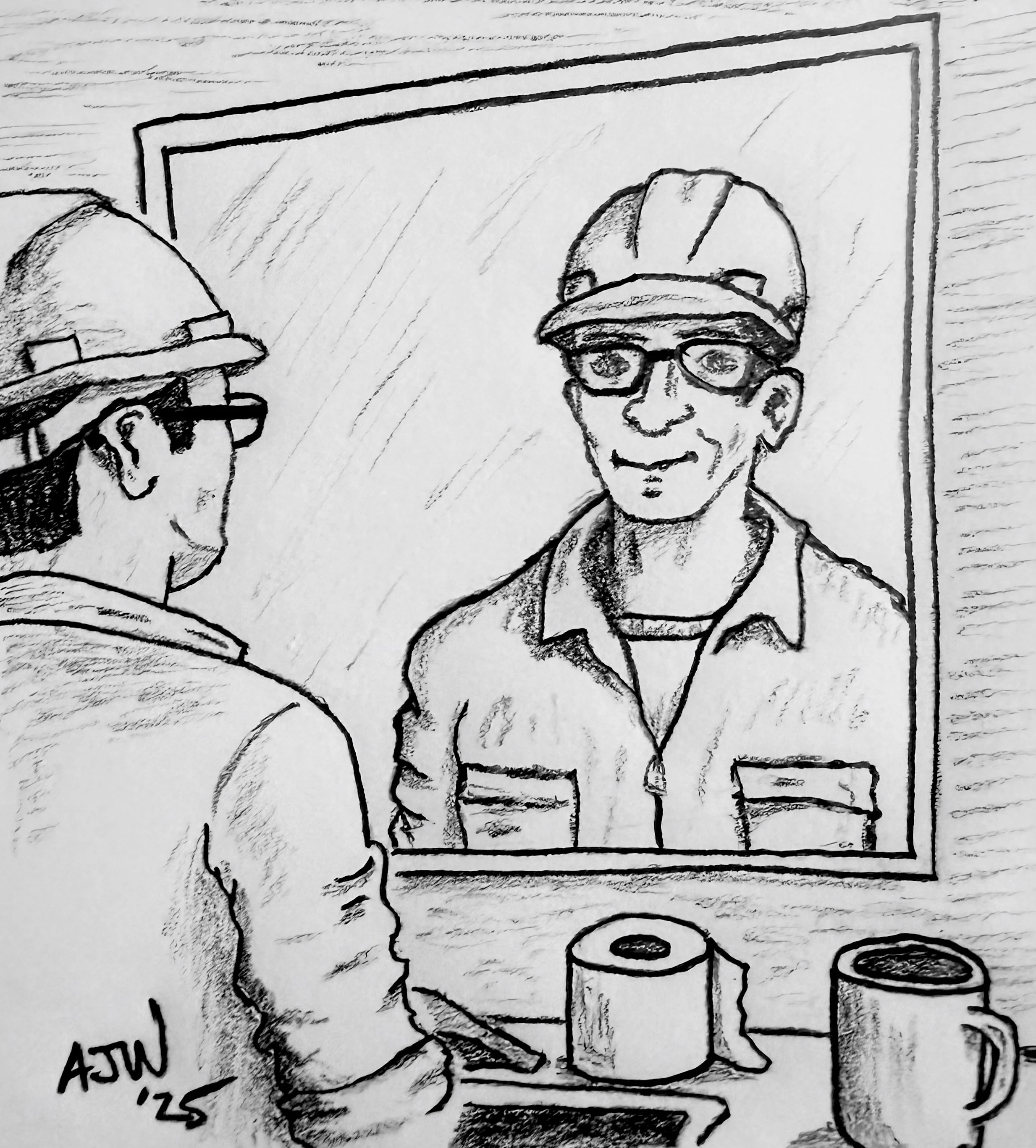
These lessons are all well and good, but if I’m being brutally honest with myself this year taught me one great big thing.
None of us have this figured out.
But that’s actually good news. The industry is changing. Leaders are changing. Conversations are changing. And people are starting to show up with more honesty, empathy and courage than we’ve seen in a long time.
In the end, we’re not aiming for perfection. We’re aiming for progress. And thanks to these lessons, I’m convinced we’re moving closer than we think.
Let’s keep building the future, one lesson at a time.
Construction is cool, tell your friends!