
Truth Is Time-Dependent
Every project generates a truth. The problem is that truth tends to expire, quickly. Whether it’s the schedule, the budget or even the scope, what was accurate last week rarely remains the same today. It's a moving target, and the exact opposite of what we all like to call a “shared truth.”
Instead, they're working from competing memories of an old one.
So that begs the question: How do you keep truth current when dozens of stakeholders are all changing it at once?
Toughness is a Material. Resilience is a Structure.
If you’ve been around construction long enough, you’ve learned a tough lesson you’ll ultimately carry for life: even the strongest steel in the world still fails. Not because it's weak, but because of fatigue.
Stephanie Lemek has learned the exact same lesson. Only to her, we’re talking about something much more important than steel.
We’re talking about our teams in the field.

The Dinner Party Test
There’s a moment in every contech sales cycle that is tough to ignore. The deck is polished. The features are real. The ROI is documented. And yet, nothing. No sales. No traction.
Many point at the luddites of construction and blame the industry. They call it change-resistant. They call it slow.
But Colin Crook, founder of FractalPR, has a different diagnosis.

The Wrong Battle
We keep asking the wrong question about AI in construction, who wins and who gets replaced.
And funny enough, it seems we’re all building our AI adoption strategies around that specific belief. However, when you talk to Girish Bhatia, founder of ConstructMind.AI, he will tell you that this is the wrong belief.
You see, the thing is, it was never really about us versus them to begin with.

The Tool Isn’t Impressive, Trust Is
Which matters more, how impressive a tool is or how trustworthy it is? When I sat down with Brian Tracy, who literally co-authored the textbook on managing construction technology, his answer certainly caught me off guard.
“A tool is impressive to me by how trustworthy it is.”
Maybe that’s cheating, but honestly he’s not wrong. And the more you dig in, the more you realize that’s how we constantly miss the point with contech.

The Safety Net is the Saboteur
Four out of five digital transformations fail. That's an 80% strikeout rate which, even in baseball, isn’t very good at all.
And of course, we just love to blame that on the software. The clunky, broken, overpromised software. I get it, sometimes that might be true. But after twenty years of ConTech, it’s become clear that failure is rarely about the tool and more about the back door we leave open.
But don’t just take my word for it. Take from the guy who literally wrote the book on implementation.
The AI Mirror
For twenty years, your data has been a mess. You know it. I know it. Every PM who's ever looked for the final budget knows it.
But it never really mattered. Because humans were doing the interpretation, making the mess tolerable and ultimately invisible. Construction quite literally runs on tribal knowledge layered over top of broken systems.
But then AI showed up and it asked to read the data. All of a sudden, the emperor has no clothes.
Pick Your Pain: To Change or Not
Believe it or not, there are two kinds of pain available to you in every major change. Whether it be a shift in process, tech or culture, we actually control our pain.
The first is obvious, the pain of changing. The second is more subtle, the long, slow accumulation of brokenness from choosing to remain stagnant.
All too often, construction chooses the latter thanks to the inherent risk avoidant nature of our industry.
But that mentality is costing us dearly.
The Moat is Gone. Now What?
Sometimes being right isn’t enough.
In fact, there’s a rare combination in engineering, being both deeply technical and deeply relational, that many engineers spend a career learning the hard way.
If they learn it at all.
So, in an industry that tends to treat these two things as mutually exclusive, Nick Heim has made it his mission to bridge the gap.
Especially now, as AI is begins to remove the moat of technical differentiation.

Build Value. Not Just Data.
We talk a lot about technology in this industry. AI. Robotics. Digital twins. The list keeps growing and every week there's another platform promising to transform how you build.
But Victor Muchiri asks a simple question that many people will skip right past.
Are we actually creating value? Or are we just getting better at tracking activity?

The Tech Isn’t the Problem. The Disconnect Is.
It happens all the time in construction. A new piece of technology is introduced using all the right buzzwords.
Revolutionary. Transformational. Game-changing.
But over time, it slowly fades into the background. Not because anyone made a decision to abandon it, but because it never became part of how the work actually got done in the first place.
For the most part, we’ve treated these moments like isolated misses and, of course, tell ourselves the next one will be different. But the more we do this it becomes increasingly clear, nothing about these misses are random.
They’re a pattern.
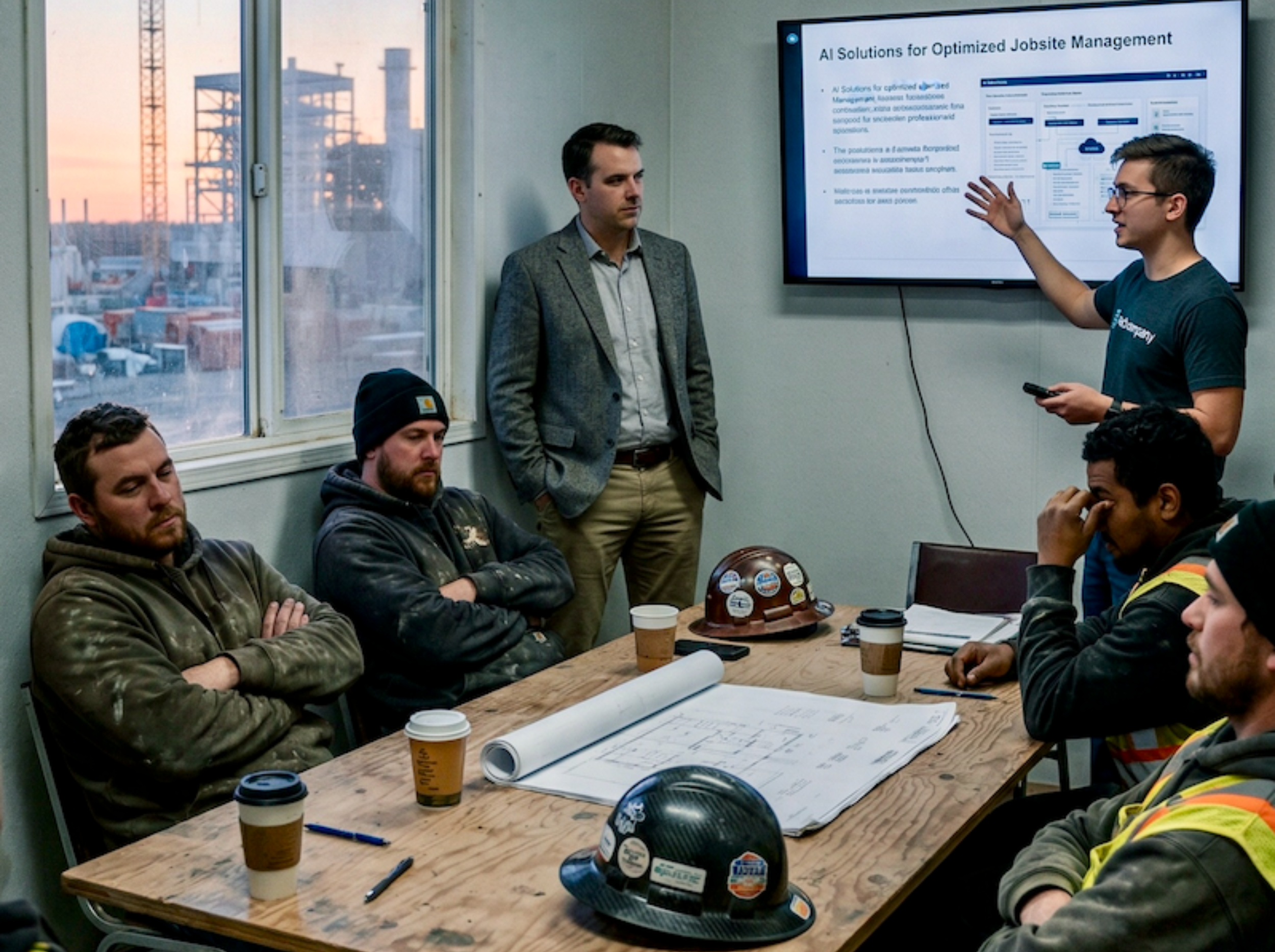
Stop Chasing Tech. Start Building Strategy.
If I were to ask you how many software subscriptions your organization currently paid for, could you answer?
That question may be a little tough for you to answer, and the truth is, you’re not alone. There is an industry-wide problem that we’re ashamed to admit.
Construction doesn't have a tech problem. It has a strategy problem.
And no amount of new AI-powered software is going to fix it.
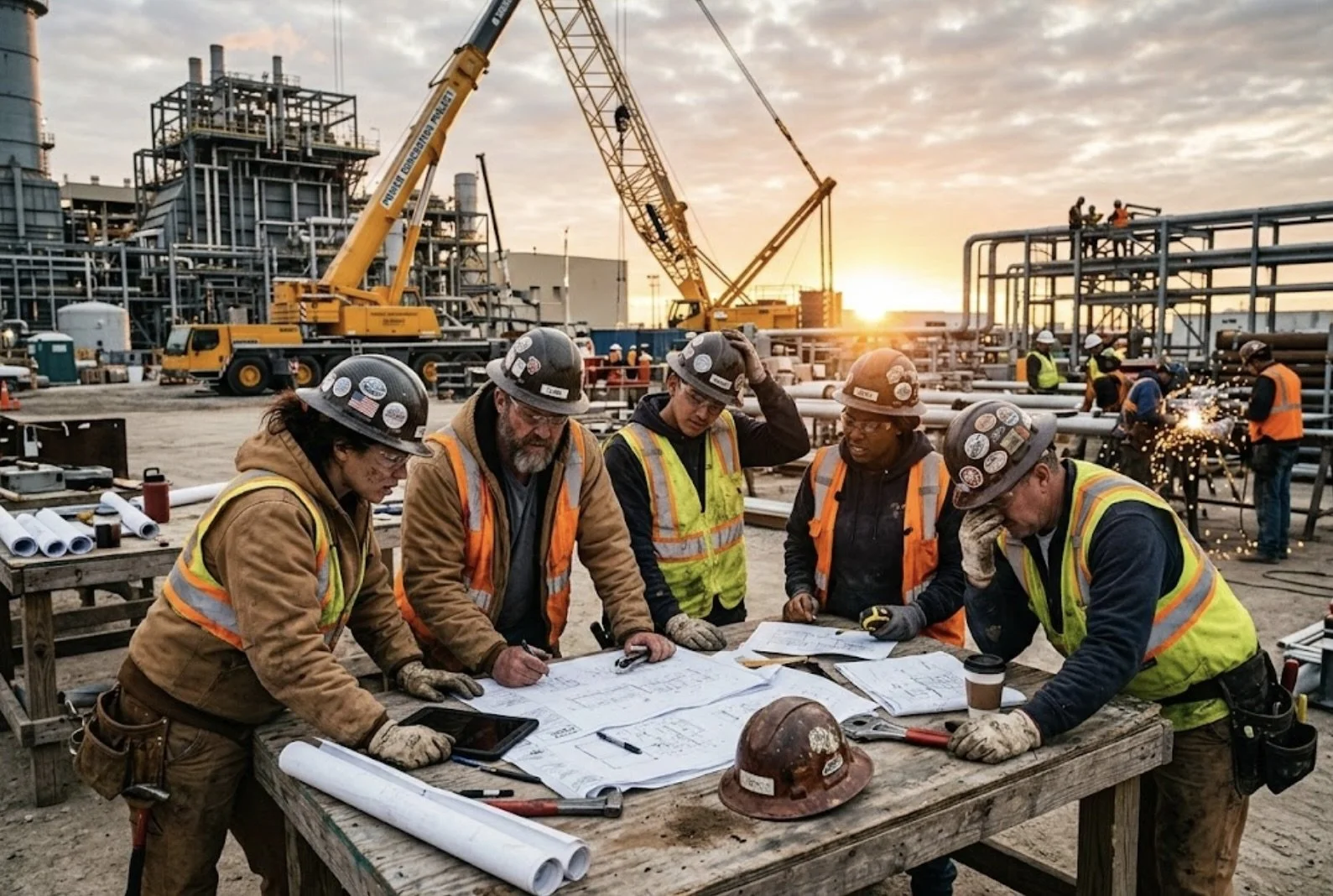
The Bottleneck Was Never the Tools
For the better part of fifteen years, I’ve preached the benefits construction technology, believing deeply that if we could just get the right technology into the hands of builders, productivity would finally improve.
But alas, it hasn’t.
Over the last two decades, software adoption has exploded. Yet, when you take a look at the data surrounding construction productivity, the curve hasn’t followed suit.
So, let’s be real honest, if technology alone was the secret, we would’ve seen the proof by now. That means the bottleneck is bigger than the tools.
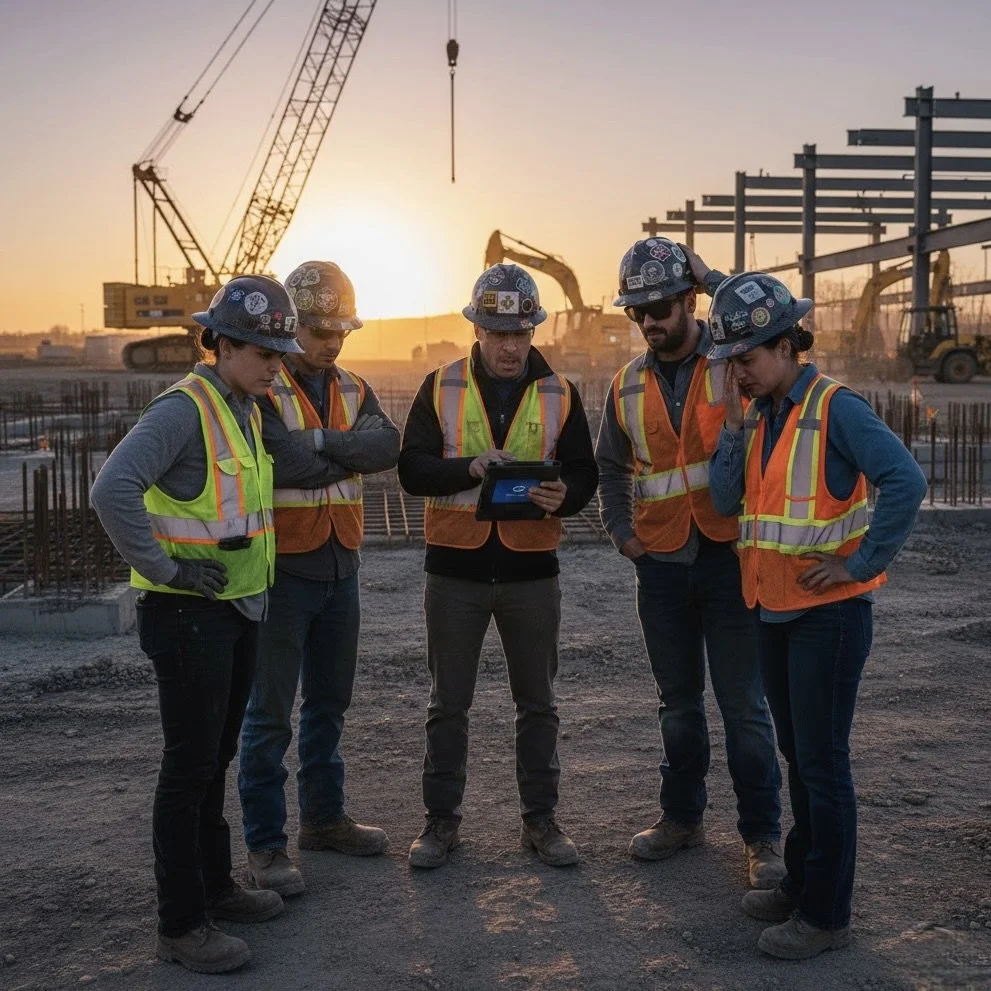
If Your Construction Tech Failed, This Might Be Why
Your implementation failed. Now you’re left wondering why.
And while it might be easy to point fingers at the tech, or at the executive sponsor or even at the construction industry in general for not understanding how to best move forward, there just might be a different reason things went sideways.
More often than not, the effort required to make technology work peaks before the ROI becomes visible. Somewhere in that gap, many simply give up.
The first time you experience it, you assume something has gone wrong. But the more reps you take, the more you begin to recognize what it actually is: a predictable phase.
But there’s a second side to this equation, and it wasn’t until recently that I put two and two together.

At What Point Does “Best Practice” Become “We’ve Always Done It That Way”?
“It’s a best practice.” My, how we love that phrase in construction. In fact, I can still remember the first time I heard it. The answer came back fast and confident, conversation over. Not in a rude way, just fact.
But if we’re not careful, there’s a secret side to the idea of something being a best practice.
That is, at what point does “best practice” simply become an excuse for “we’ve always done it that way?”
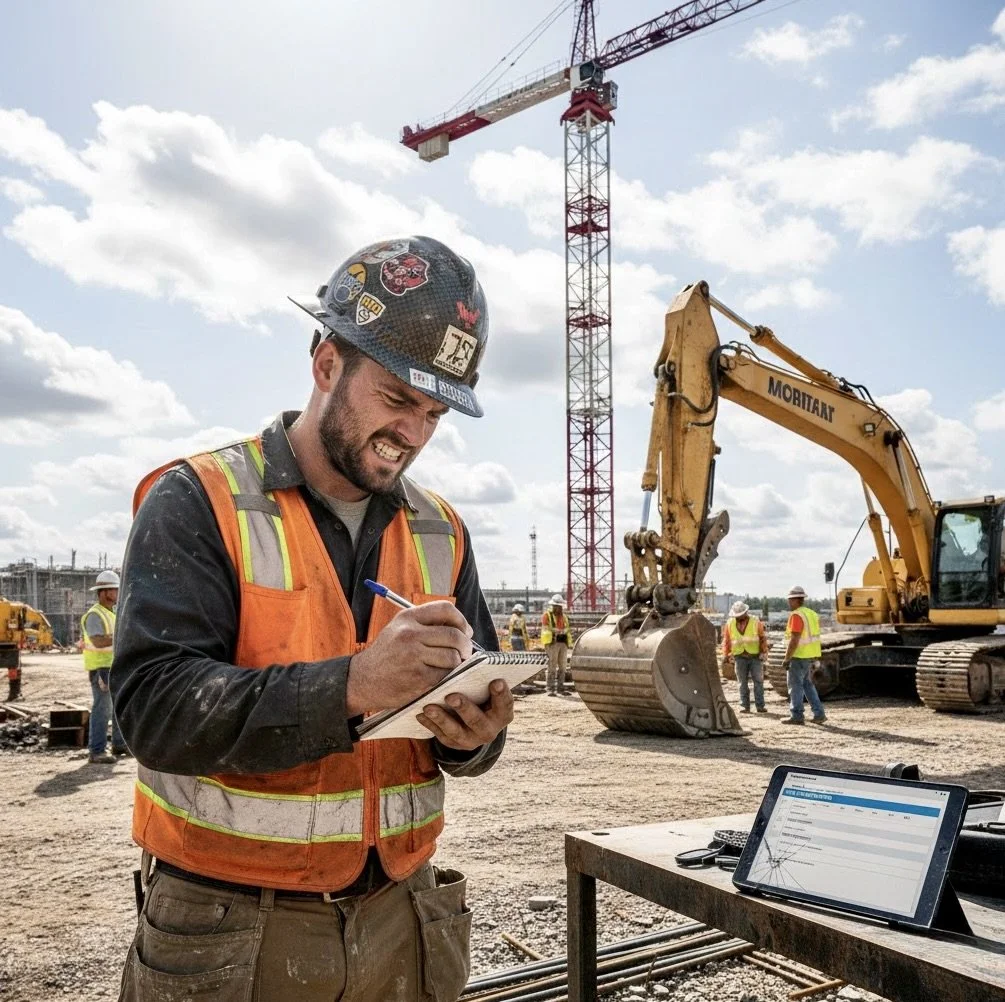
Construction Doesn’t Hate Innovation. It Hates What Innovation Reveals.
We like to say construction resists innovation because it’s old-fashioned, risk-averse or slow to change. Personally, I don’t think that’s true. Construction doesn’t hate innovation. It hates what innovation reveals: the inefficiencies, the power structures, the status quo.
You see, innovation forces us to ask the truly difficult questions around why we’ve “always done it that way.”
And as a result? Well, bureaucracy doesn’t kill innovation accidentally. It kills it to protect itself.
Expanding the Conversation in Construction: Mission 2026
In 2025 I launched a ridiculous idea. A place to talk about the messy, human, hilarious, frustrating and brilliant reality of this industry we all love.
But the heartbeat behind TheEngiNerdLife was never about just a blog for lessons full of half-serious satire. It was about creating a place to have honest conversations about what it means to build things. A place to say the things I wished more people in construction were saying out loud.
So when looking toward 2026, I don’t want this to be just a turn of the calendar with simply “more blogs on the way.” Something feels different. In 2026 it’s time for TheEngiNerdLife to level up.
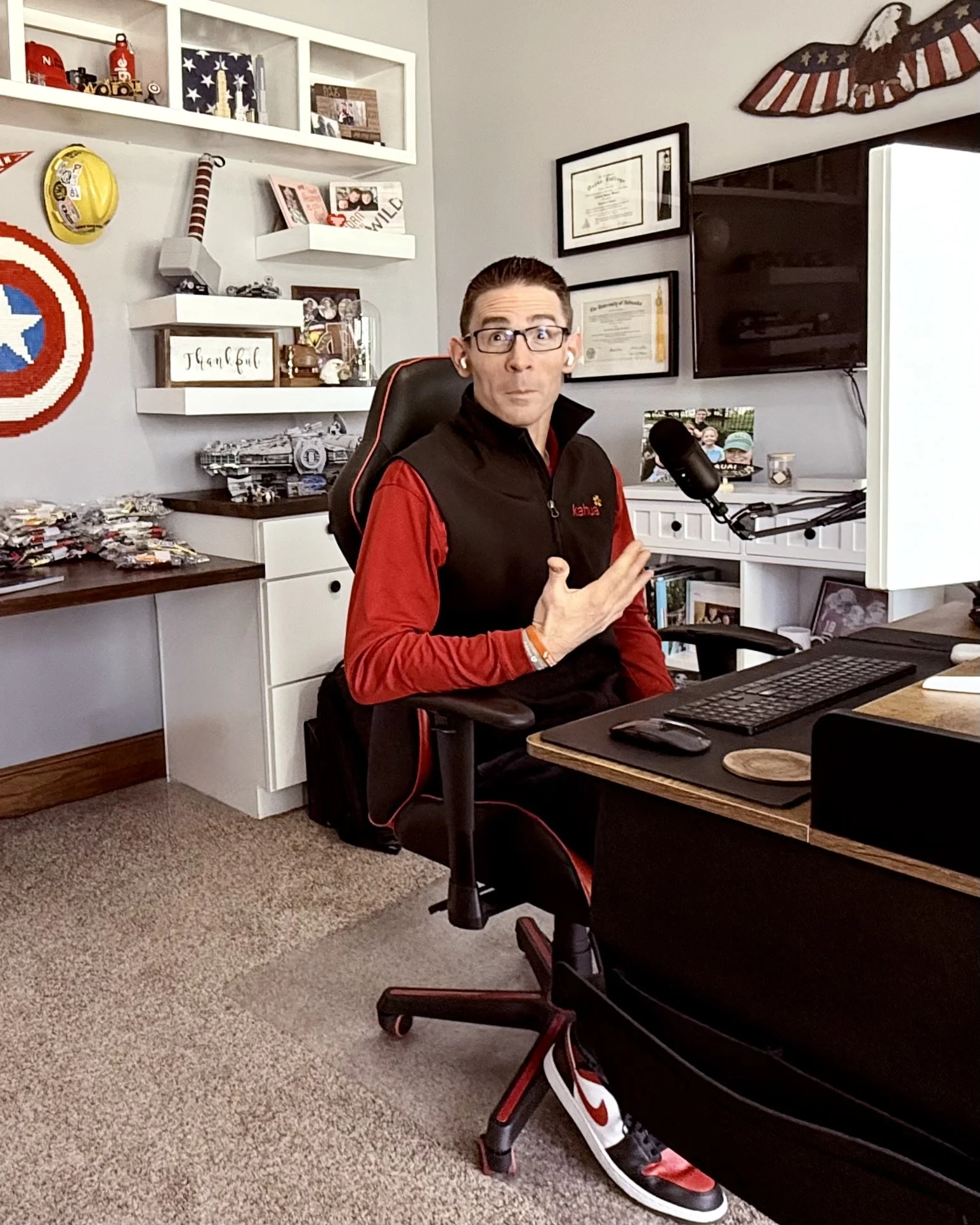
TheEngiNerdLife in Review
Every new endeavor we attempt to tackle comes with a lesson, but that lesson rarely reveals itself up front. No, instead it tends to sneak up on you and slap you across the face.
So, after a year of TheEngiNerdLife, I got smacked by a lesson in clarity. A lesson about how all this work educating others has actually been teaching me all along.
Teaching me what exactly? Well, in a true end-of-the-year reflective fashion, here are the seven things 2025 taught me.

Subtract First: Why More Tech Is Making Construction Worse, Not Better
Sometimes more is truly just…more.
When it comes to technology, construction isn’t under-tooled. In a world that labels construction as a “laggard” the irony is that we’re actually overloaded. Yet global construction productivity has grown less than 1% per year.
If technology along were the answer, we’d be delivery every project faster and cheaper by now. But sometimes the quickest way to innovate is not by adding something new, but rather by taking something useless away.
The Real Reason Your Team Hates New Software
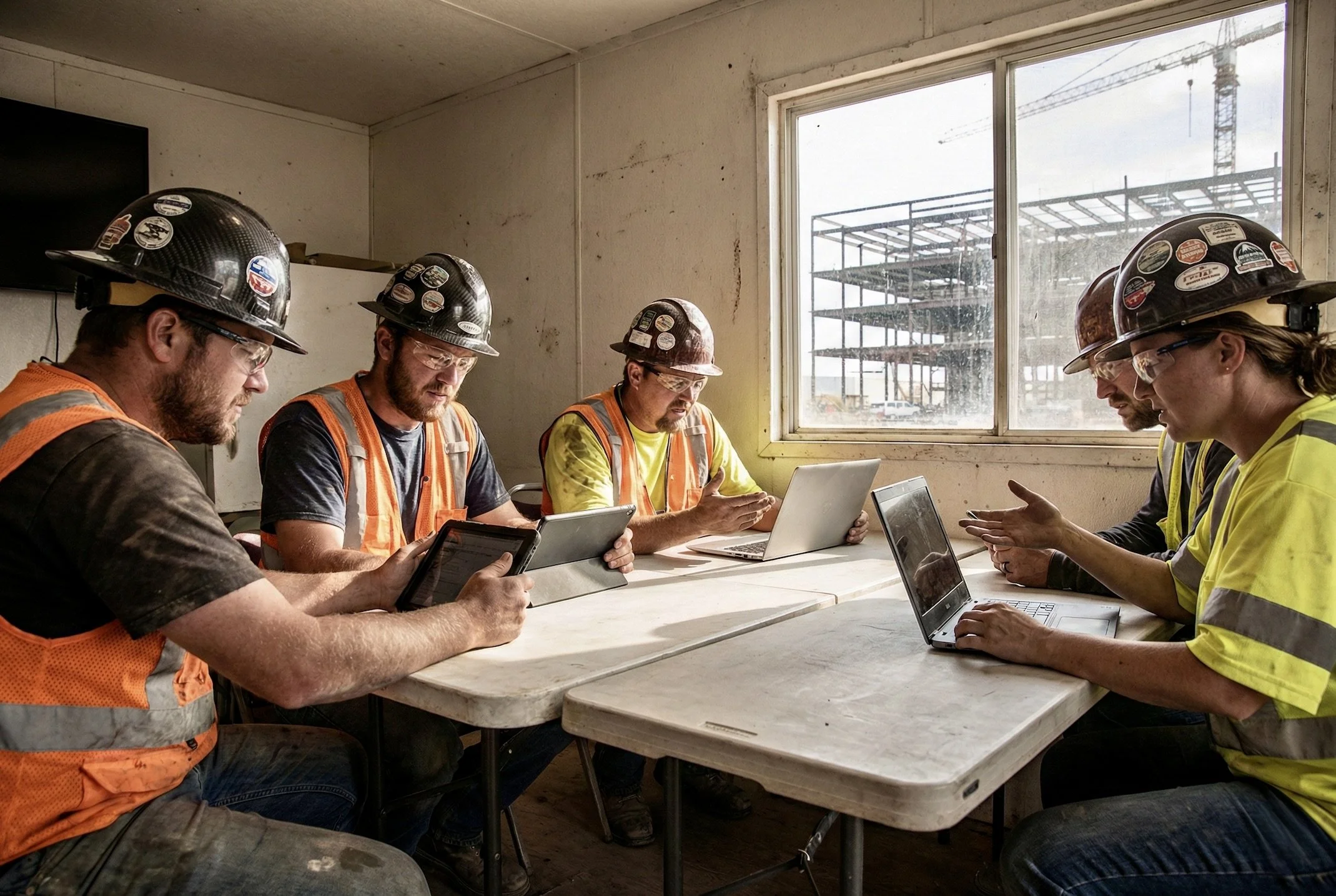
In the physical world, the definition of project success is necessary. You don’t break ground (really, you don’t even mobilize) until the scope is clear. Yet in the digital world, we treat transformation like a simple software install instead of what it truly is: a behavior-changing effort that touches every corner of the organization.
Spoiler alert, that doesn’t work.
Digital transformations rarely fall apart because of the software. They fall apart because no one ever aligned on the purpose to begin with. And if the foundation isn’t right, nothing built on it will be either.
