
Truth Is Time-Dependent
Every project generates a truth. The problem is that truth tends to expire, quickly. Whether it’s the schedule, the budget or even the scope, what was accurate last week rarely remains the same today. It's a moving target, and the exact opposite of what we all like to call a “shared truth.”
Instead, they're working from competing memories of an old one.
So that begs the question: How do you keep truth current when dozens of stakeholders are all changing it at once?
The AI Mirror
For twenty years, your data has been a mess. You know it. I know it. Every PM who's ever looked for the final budget knows it.
But it never really mattered. Because humans were doing the interpretation, making the mess tolerable and ultimately invisible. Construction quite literally runs on tribal knowledge layered over top of broken systems.
But then AI showed up and it asked to read the data. All of a sudden, the emperor has no clothes.
Pick Your Pain: To Change or Not
Believe it or not, there are two kinds of pain available to you in every major change. Whether it be a shift in process, tech or culture, we actually control our pain.
The first is obvious, the pain of changing. The second is more subtle, the long, slow accumulation of brokenness from choosing to remain stagnant.
All too often, construction chooses the latter thanks to the inherent risk avoidant nature of our industry.
But that mentality is costing us dearly.
Stop Chasing Tech. Start Building Strategy.
If I were to ask you how many software subscriptions your organization currently paid for, could you answer?
That question may be a little tough for you to answer, and the truth is, you’re not alone. There is an industry-wide problem that we’re ashamed to admit.
Construction doesn't have a tech problem. It has a strategy problem.
And no amount of new AI-powered software is going to fix it.
The Bottleneck Was Never the Tools
For the better part of fifteen years, I’ve preached the benefits construction technology, believing deeply that if we could just get the right technology into the hands of builders, productivity would finally improve.
But alas, it hasn’t.
Over the last two decades, software adoption has exploded. Yet, when you take a look at the data surrounding construction productivity, the curve hasn’t followed suit.
So, let’s be real honest, if technology alone was the secret, we would’ve seen the proof by now. That means the bottleneck is bigger than the tools.

Processes First, Tech Second
There’s a subtle frustration humming beneath the surface of our industry.
We have more technology than ever. More dashboards. More integrations. More AI pilots. More digital transformation initiatives with glossy slide decks and bold promises.
But if we truly want better outcomes, we have to fix the way we work.
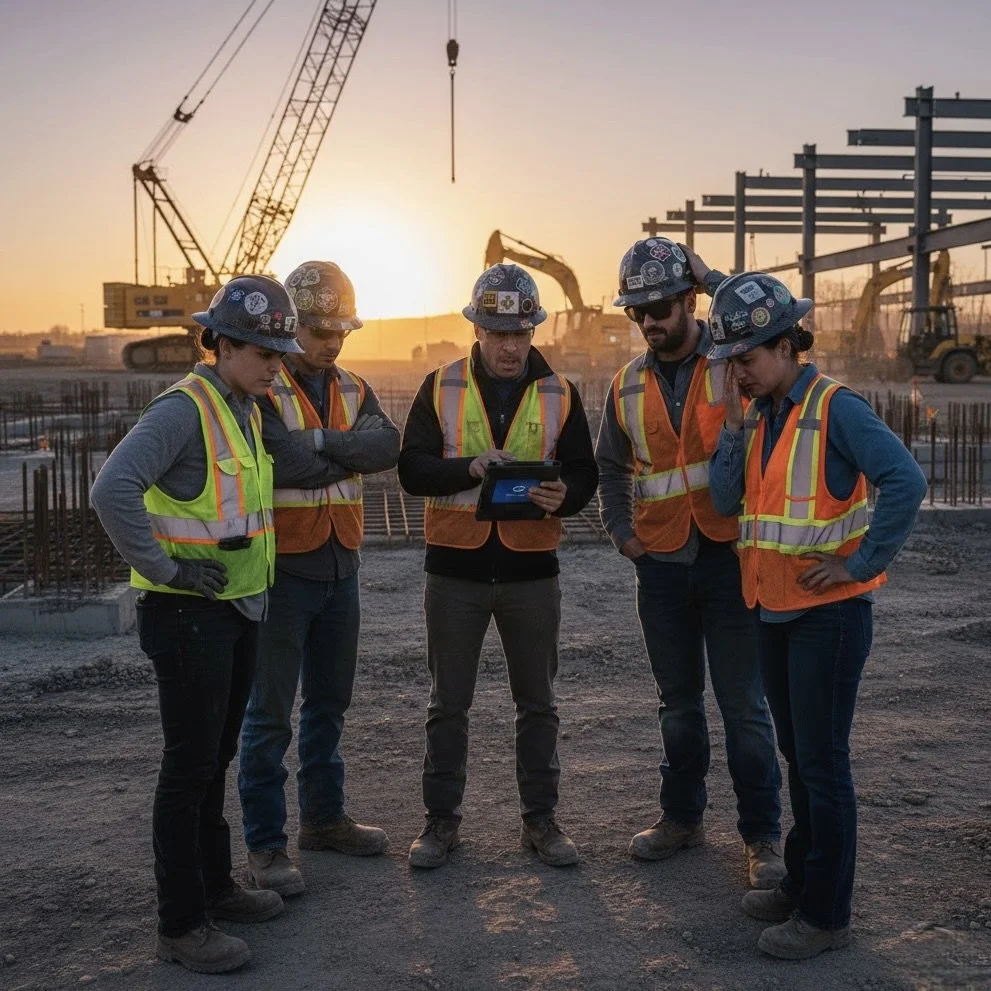
If Your Construction Tech Failed, This Might Be Why
Your implementation failed. Now you’re left wondering why.
And while it might be easy to point fingers at the tech, or at the executive sponsor or even at the construction industry in general for not understanding how to best move forward, there just might be a different reason things went sideways.
More often than not, the effort required to make technology work peaks before the ROI becomes visible. Somewhere in that gap, many simply give up.
The first time you experience it, you assume something has gone wrong. But the more reps you take, the more you begin to recognize what it actually is: a predictable phase.
But there’s a second side to this equation, and it wasn’t until recently that I put two and two together.

At What Point Does “Best Practice” Become “We’ve Always Done It That Way”?
“It’s a best practice.” My, how we love that phrase in construction. In fact, I can still remember the first time I heard it. The answer came back fast and confident, conversation over. Not in a rude way, just fact.
But if we’re not careful, there’s a secret side to the idea of something being a best practice.
That is, at what point does “best practice” simply become an excuse for “we’ve always done it that way?”
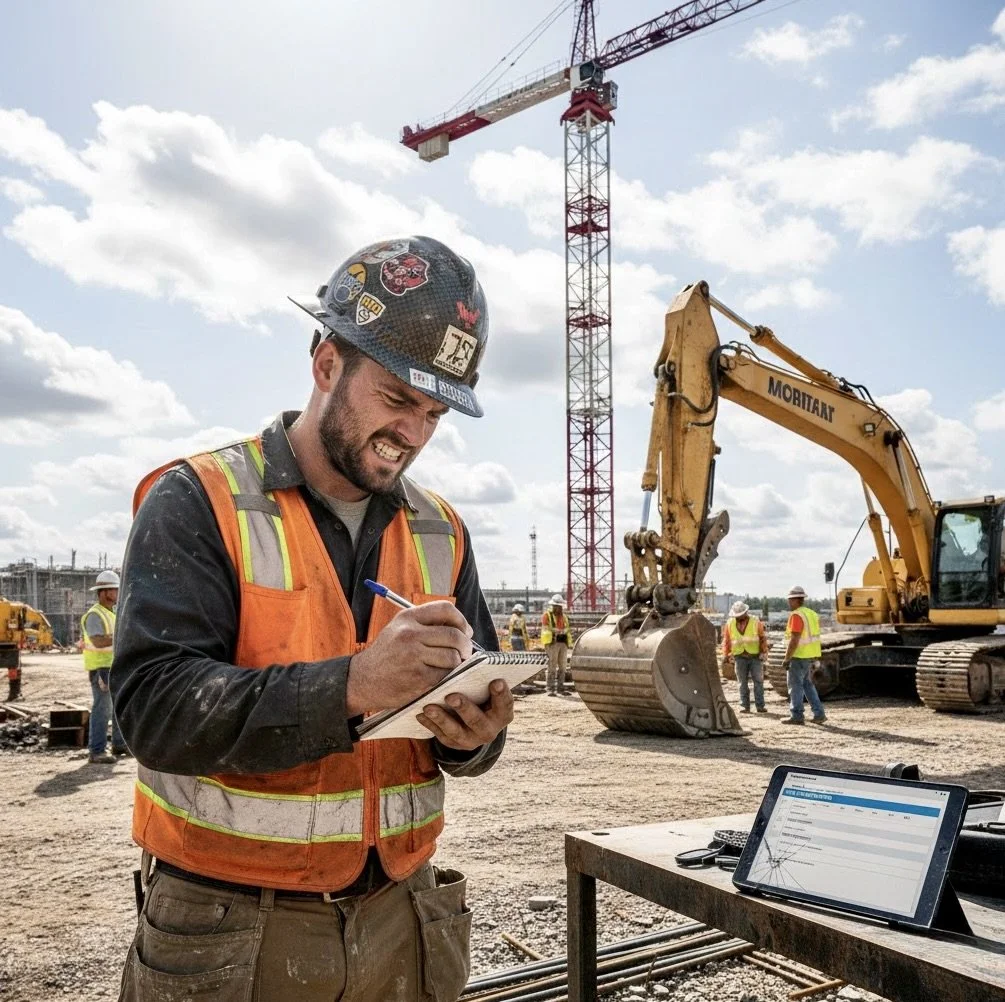
Construction Doesn’t Hate Innovation. It Hates What Innovation Reveals.
We like to say construction resists innovation because it’s old-fashioned, risk-averse or slow to change. Personally, I don’t think that’s true. Construction doesn’t hate innovation. It hates what innovation reveals: the inefficiencies, the power structures, the status quo.
You see, innovation forces us to ask the truly difficult questions around why we’ve “always done it that way.”
And as a result? Well, bureaucracy doesn’t kill innovation accidentally. It kills it to protect itself.

Expanding the Conversation in Construction: Mission 2026
In 2025 I launched a ridiculous idea. A place to talk about the messy, human, hilarious, frustrating and brilliant reality of this industry we all love.
But the heartbeat behind TheEngiNerdLife was never about just a blog for lessons full of half-serious satire. It was about creating a place to have honest conversations about what it means to build things. A place to say the things I wished more people in construction were saying out loud.
So when looking toward 2026, I don’t want this to be just a turn of the calendar with simply “more blogs on the way.” Something feels different. In 2026 it’s time for TheEngiNerdLife to level up.
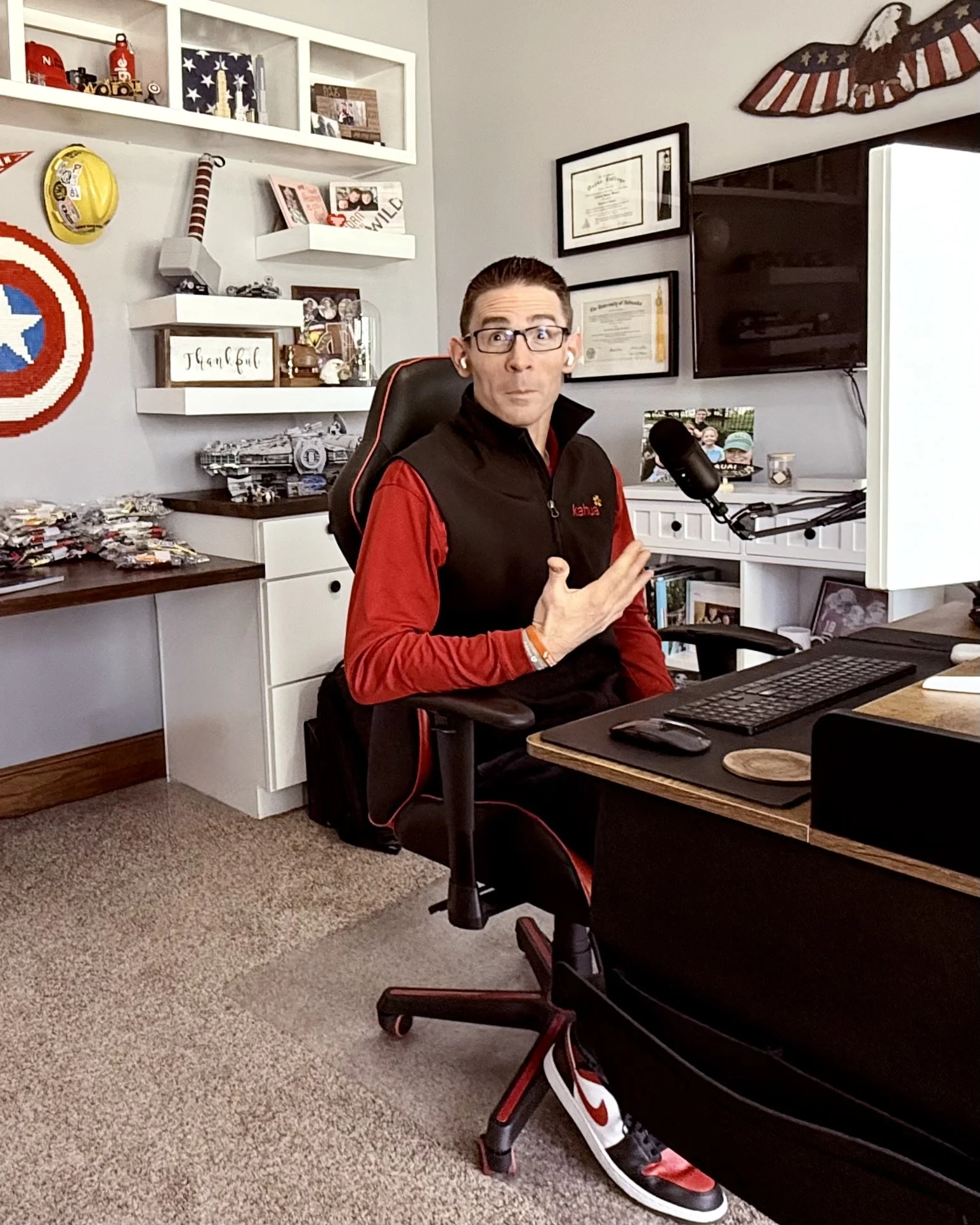
TheEngiNerdLife in Review
Every new endeavor we attempt to tackle comes with a lesson, but that lesson rarely reveals itself up front. No, instead it tends to sneak up on you and slap you across the face.
So, after a year of TheEngiNerdLife, I got smacked by a lesson in clarity. A lesson about how all this work educating others has actually been teaching me all along.
Teaching me what exactly? Well, in a true end-of-the-year reflective fashion, here are the seven things 2025 taught me.

Subtract First: Why More Tech Is Making Construction Worse, Not Better
Sometimes more is truly just…more.
When it comes to technology, construction isn’t under-tooled. In a world that labels construction as a “laggard” the irony is that we’re actually overloaded. Yet global construction productivity has grown less than 1% per year.
If technology along were the answer, we’d be delivery every project faster and cheaper by now. But sometimes the quickest way to innovate is not by adding something new, but rather by taking something useless away.

What It Really Means to Enable Innovation
Everyone will tell you they want innovation. Yet all too often, we treat it like a product to buy instead of a culture to build. We’ll sit around and talk about it all day, but few will actually live it.
The truth is, innovation isn’t something you install; it’s something you enable.
And truly enabling innovation is about more than money, software or slogans. It takes people willing to think differently, processes designed for adaptability and leadership courageous enough to trust both.
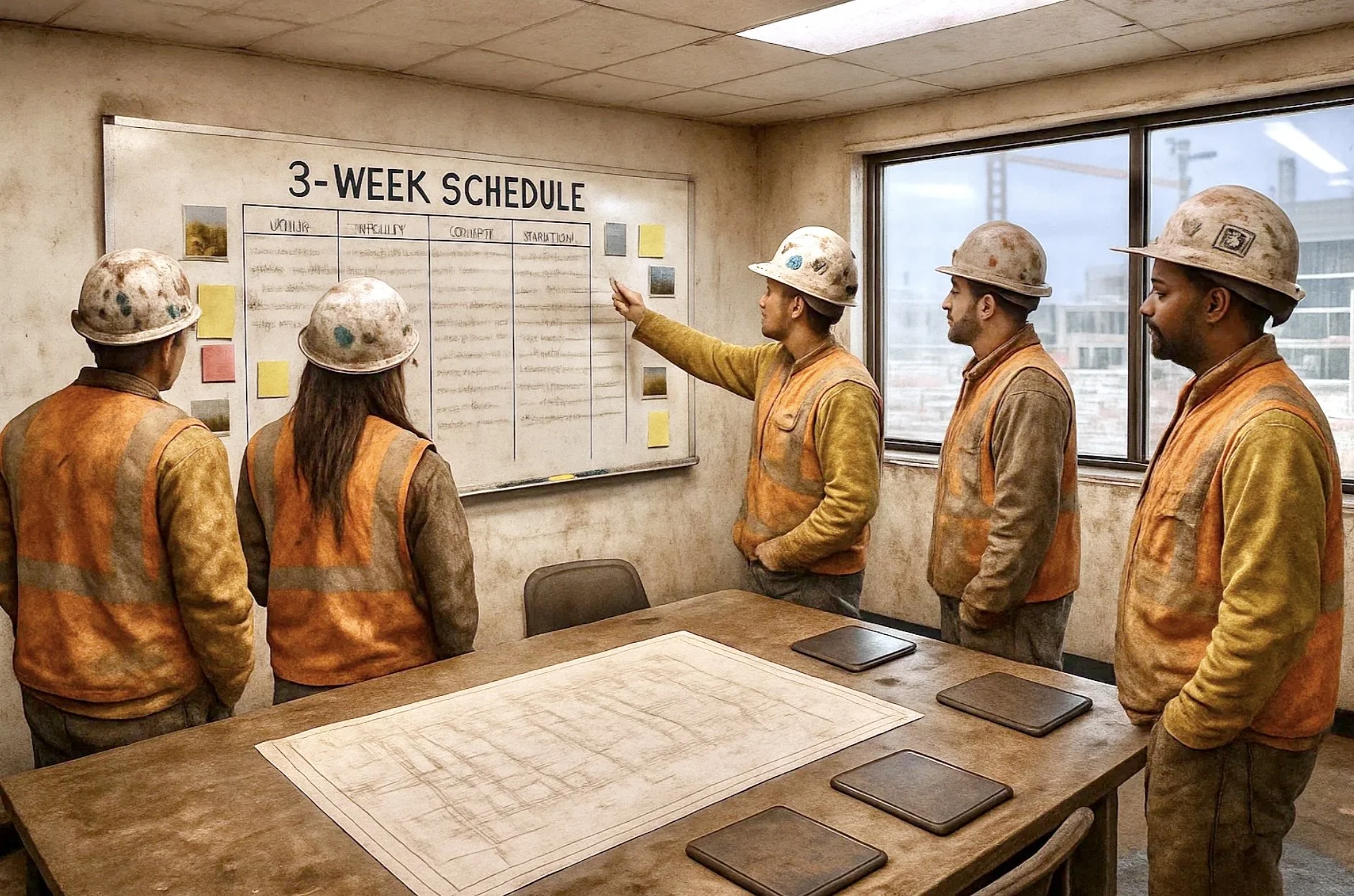
Goals Are Great, But Systems Protect the Margin
Anyone who knows me knows I love a good challenge. Sometimes too much. But despite all the plucky optimism I might attempt to muster chasing after an audacious goal, it will never be enough. You simply don’t succeed because you aimed high.
You succeed because your systems didn’t let you fall.
In construction that fall can happen fast, so how do we avoid it?
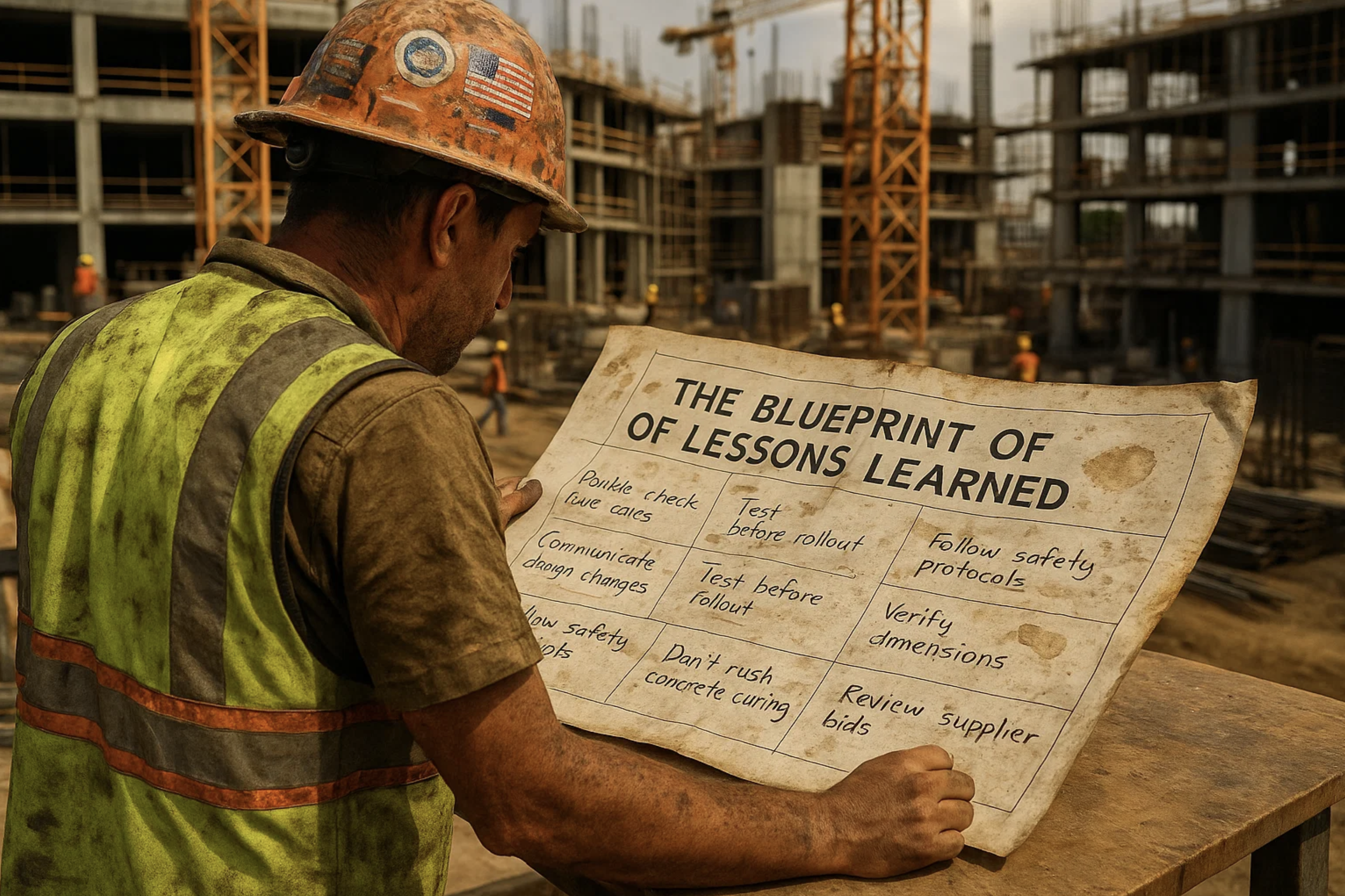
Risk Averse: The Overlooked (and Inevitable) Gift of Failure
Failure is one of the greatest teachers we’ll ever have…yet construction tends to treat it like an embarrassment.
At the end of the day, every win is built on a graveyard of failures. Somewhere along the way, someone tried something, fell short, dissected what went wrong, adjusted the plan and tried again.
So instead of running from it, how do we build learning from failure into our culture?
In the Great Tech Debate of Build vs Buy…Is It Too Much to Ask for Both?
In a world that’s ripe with questions surrounding the buzziest of buzzwords, like “Should we use AI?” or “Will robots replace field crews?” there is a totally different topic that still reigns supreme.
Do we build our own construction software OR do we buy something off the shelf?
I have lived both sides and seen the pros and cons from every angle. But in my opinion, it’s the wrong question.
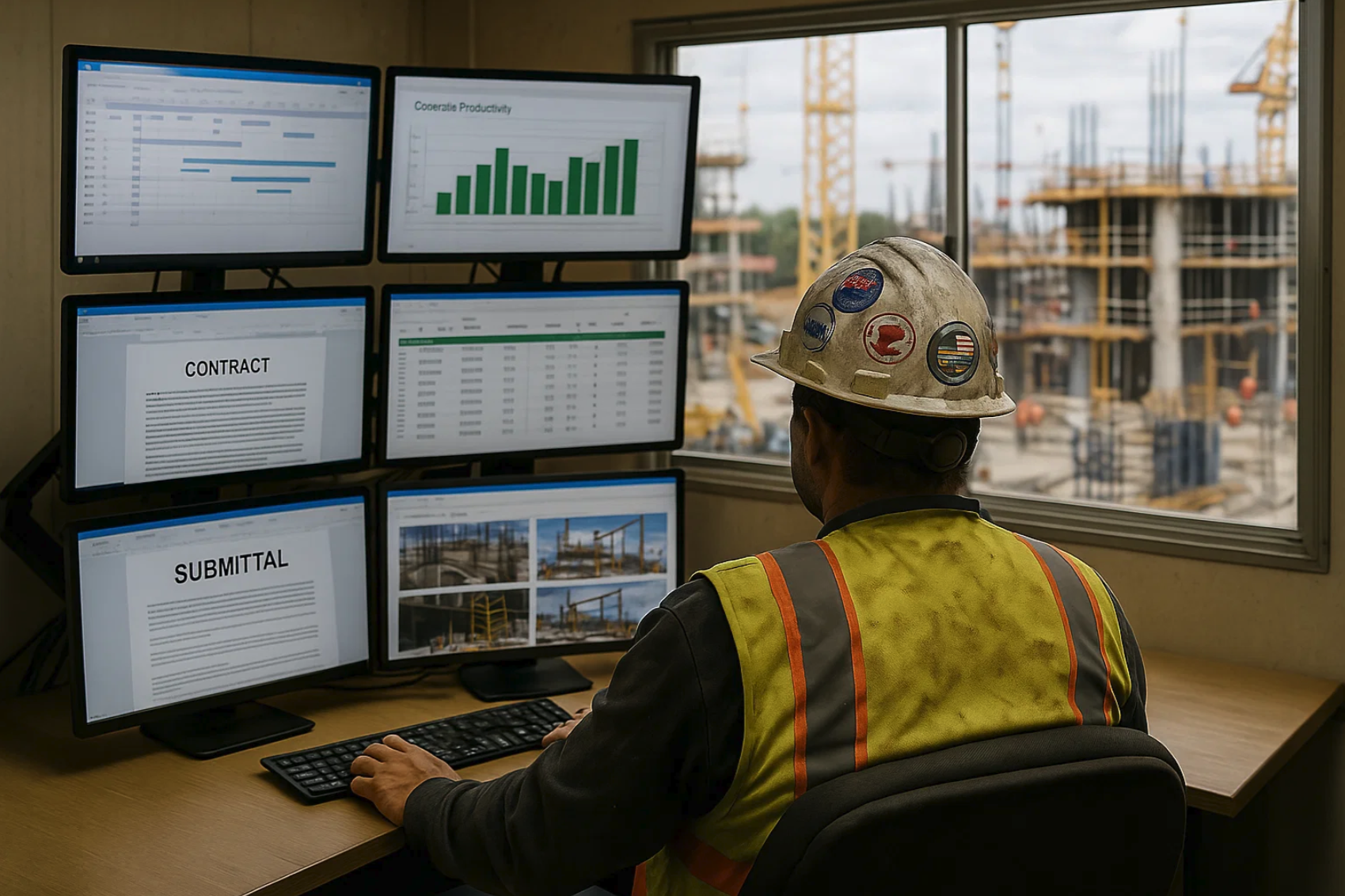
The Difference Between Reactive and Proactive Project Management
Let’s have a brutally honest moment here.
We’ve been talking about big data in construction for the better part of a decade now. Every conference, every panel, every sales pitch is all about dashboards, KPIs, predictive insights and “data-driven decisions.”
But here’s the uncomfortable truth: most contractors don’t actually have big data. But it’s not their fault.
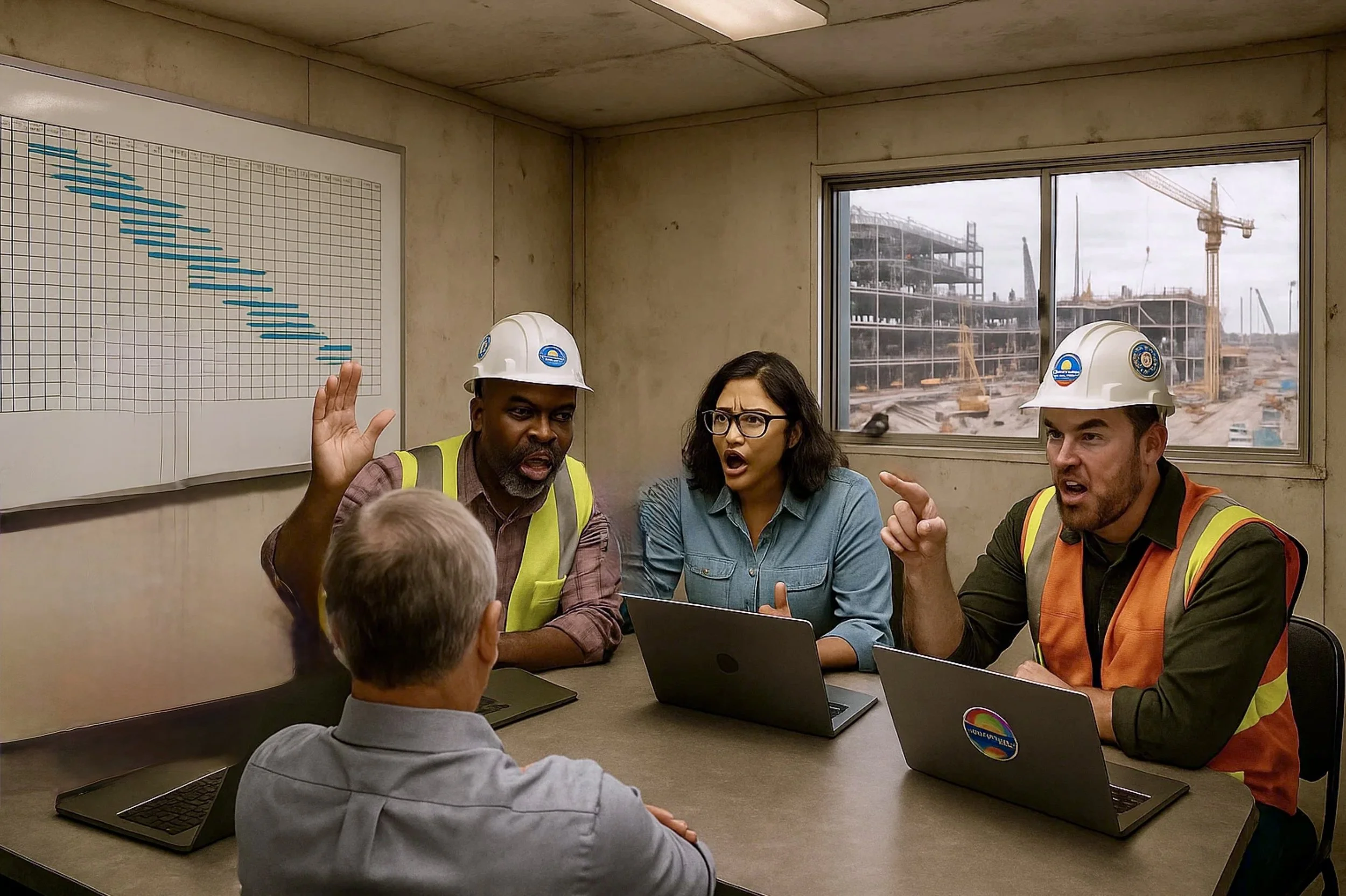
When Alignment Fails…and We’re Too Proud to Admit It
A few weeks ago, I made the bold statement that digital transformations fail due to a lack of alignment between those leading the change and those affected by it.
This week, I’ll prove it to you with a story about the time I watched a multi-billion-dollar tech company totally botch their tech.
But more importantly, we’ll talk about the lessons learned and how you can avoid a similar fate.
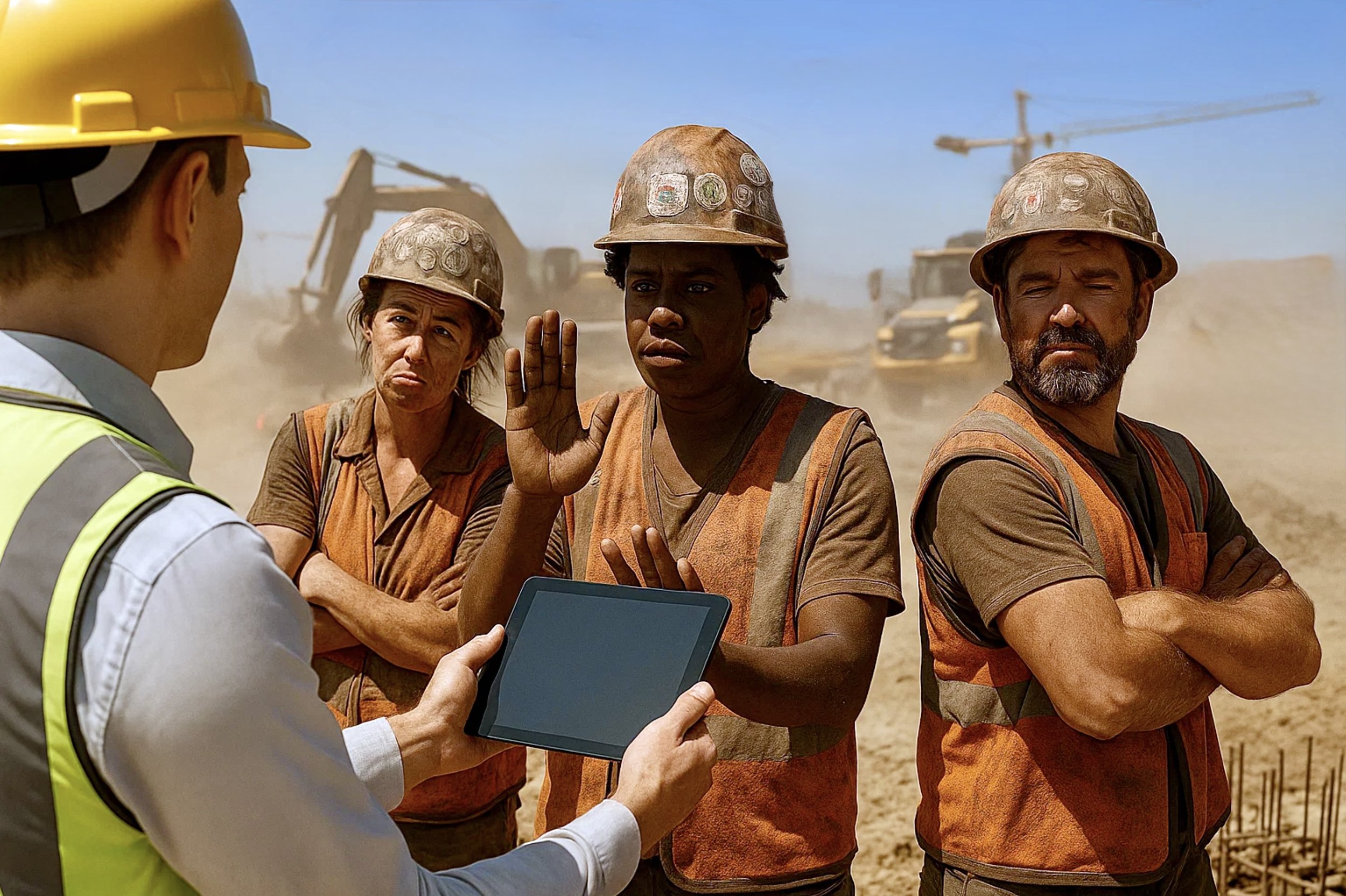
When Business Change Management Fails… It’s Not the Tech. It’s Us.
When a digital transformation fails (in construction or otherwise), it’s almost never because the technology didn’t work. It’s because we (those tasked with executing) didn’t lead the change well.
Construction doesn’t have a tech adoption problem. It has an alignment problem.
Let’s get specific…
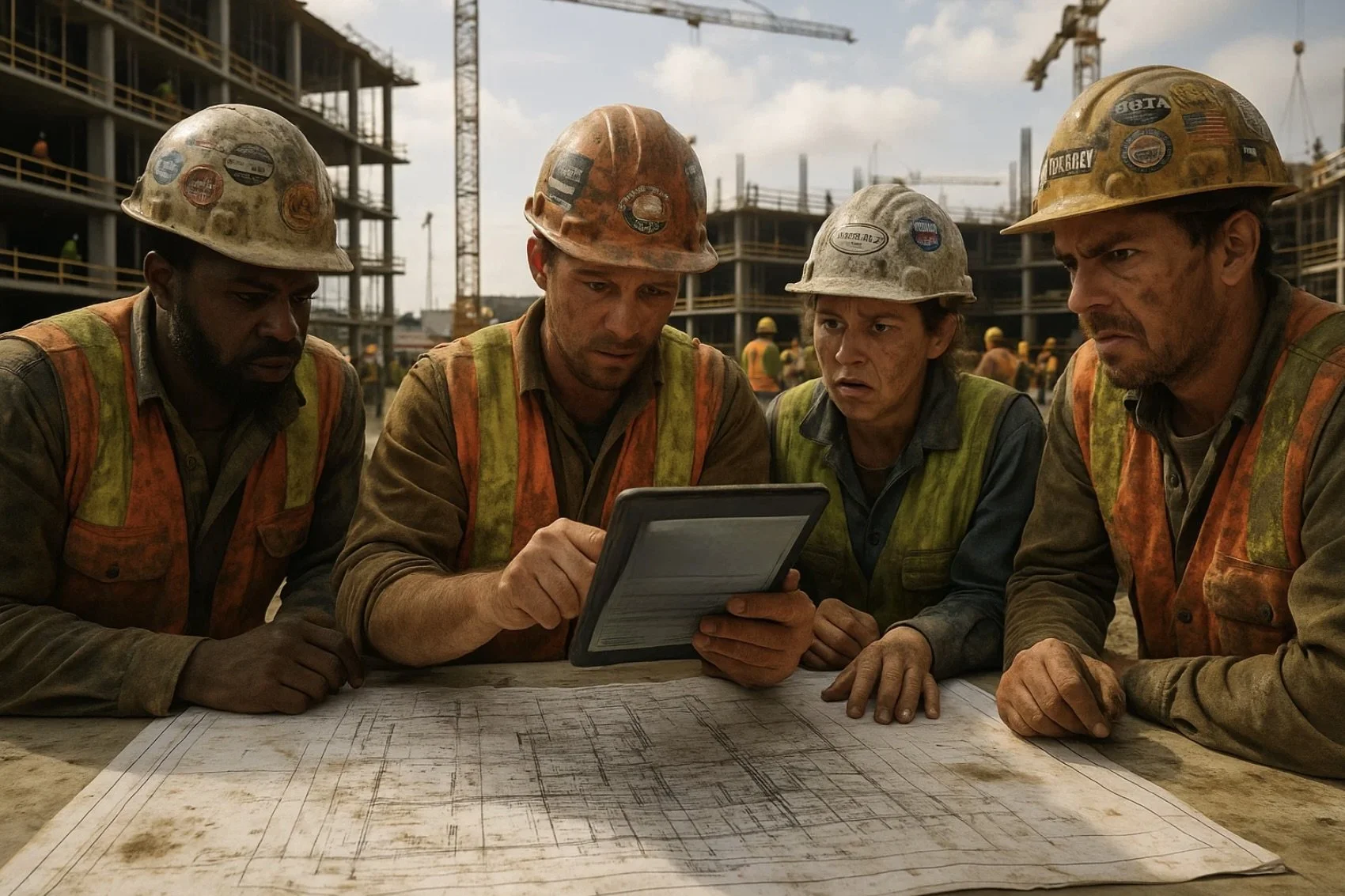
ConTech Doesn’t Replace Workers, It Empowers Them
Let’s get something straight right out of the gate: construction technology is not here to take jobs. Or at least it shouldn’t be. It’s here to empower the people you already have.
But somewhere along the line, tech adoption in construction started getting a bad rap. And many leadership teams (and software vendors) aren’t helping that perception much.
So, how do we set the record straight?
