The Moat is Gone. Now What?
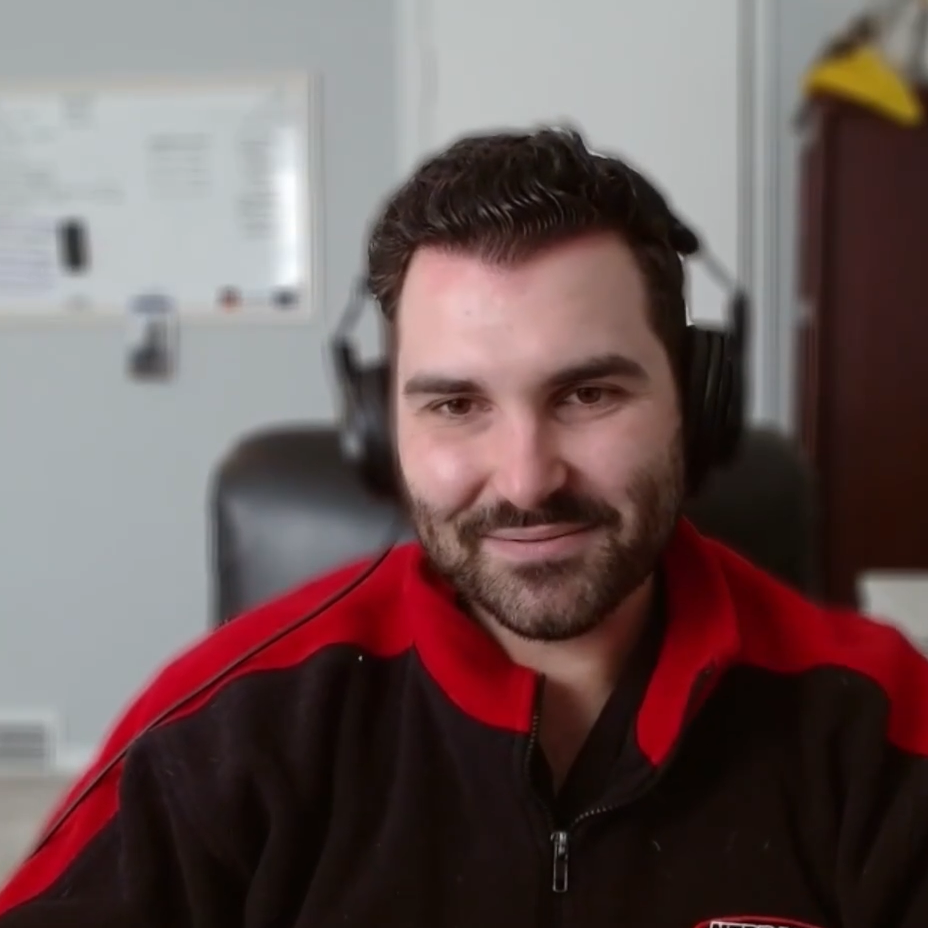
Nick Heim, PE of Trinnovate Advisors (another on the growing list to meet in-person soon)
Sometimes being right isn’t enough.
That’s the lesson Nick Heim is grateful to have learned quickly, while many engineers may spend a career learning the hard way, or never at all.
Nick is the co-founder of Trinnovate Advisors and host of the AEC Tech podcast. And in a rare combination, he's both deeply technical and deeply relational. Those are two things the industry tends to treat as mutually exclusive, yet Nick has made it his mission to bridge that gap.
Specifically for technically strong people who are leaving leadership potential on the table.
The Ivory Tower Problem Nobody Talks About
For starters, Nick doesn’t sugarcoat his own history.
He called himself an ivory tower engineer. Technically correct. Armed with proof, facts, spreadsheets, calc packages. And completely ineffective at getting people to actually move.
"You make yourself look like a dummy," he said. "And it happens all the time."
Every construction professional has met that engineer. Great solutions. Won't pick up the phone. Talks down to the field. Makes everyone in the room feel small. And somehow wonders why nothing changes.
But there’s a challenge for them. AI is now doing the technical work those engineers thought was their competitive advantage. The moat is gone.
What's left is the one thing AI still can't replicate, the ability to get into a room full of people and actually move them.
School doesn’t really prepare us for this either. I got some exposure to communication through a liberal arts undergrad. My master's in engineering? Not a word of it. Nick had a similar experience, realizing that you never really learn how things will land until you actually try. How people receive your message. Whether they trust you. Whether they follow you. You can't simulate that in a classroom.
His solution? Hands-on leadership. Being in the trenches alongside the people you're leading. Not as a spectator or supervisor, but with them.
The Mistake Most Engineers Keep Making
One of the most common patterns that Nick sees among engineers still struggling is defaulting to the numbers. Assuming the data tells the whole story. Not realizing someone else in the room might have better information, or better yet, that the information isn't even the point.
Sometimes it's just about the people.
"There may be some things going on in their life that have nothing to do with the work, but by just meeting them where they are as people it's a win-win."
That very important lesson originates from an oft-repeated line of John Maxwell, which Nick echoed, “People don't care how much you know until they know how much you care.”
Though, Nick was also humble enough to admit he thought that was garbage early in his career. It wasn’t until people showed it to him that it became a very different story. It’s the kind of thing you can only learn from experience, and the kind of thing that no technical credential (or AI bot) can shortcut.
There's another version of this mistake playing out right now at the leadership level. There are leaders of companies standing up at conferences calling for “digital transformation” and “AI adoption,” yet they go back to their office and simply use Copilot to summarize emails. Nothing more.
"You're can’t ask your people to do all these things without actually having done it yourself."
That's not strategy. That's theater. And your people see it.
But it’s not that Nick pushing for massive enterprise rollouts or frontier models either. He's simply focused on what a regular person with a $20/month subscription can do today.
The formula is simple. Start with your biggest problems, not the technology. Make a list of what's eating your time. Then go find the tool that solves it. Case in point, Nick's website was a mess and costing him hours. Claude in Chrome handled the HTML. All he needed to do was spend a little time on the content and the copy. You know, the part that actually required a human.
That's the end goal here. Not AI versus people. AI enabling people.
The Skills AI Is Hard-Pressed to Replace
At the end of the day, Nick kept coming back to one key point.
The technical differentiators engineers relied on for decades are eroding. Not disappearing entirely, but shrinking. And what's growing in importance are the skills AI genuinely can't replicate right now.
Getting in front of a room and convincing people. Building real trust. Reading what someone actually needs, not just what they said. Knowing when to push and when to listen. It’s the softer skills that are becoming harder to ignore.
Nick referenced a book called Transformation Principles by the CEO of General Catalyst. The core idea: no matter how fast the world moves, human nature doesn't change. And what have we always wanted as humans? Connection.
Construction is still a handshake business. Still a show-up-on-site business. The cold outreach blitzes don't work here because you actually have to meet people. But the good news for us is that's not a bug. It's protection from being replaced.
And in a beautiful form of irony, if you use AI to eliminate all the grunt work, you free up time to develop exactly the skills that will separate you from it. It’s as simple as worrying less about handling the formatting of a presentation and spending more energy thinking about the people in the room. What message they needed to hear. What tone would land. How to deliver it.
"By learning AI, I've created more time to do something more human."
One Small Thing
If you're an engineer or a mid-level manager, Nick's ask was on point. Download [insert AI app here]. Buy the subscription. Offload the work that's keeping you from your people.
Then go really spend that time with them.
Ask about their family. Ask about something they're working on outside of work. Ask something that wouldn't come up in a normal work conversation. Be intentional about pulling that out.
"We all know how to be people. I'm just saying, use the tools so you can go do more of that."
Start with the problem. Find the tool. Create space. Fill it with something human.
Construction is evolving faster than most of the industry knows how to process. The engineers who lead through it won't be the ones who doubled down on their technical edge. They'll be the ones who figured out that the edge was always the person, not the calc package.
The moat is gone, so go find your one thing. That one thing on your plate right now that AI could handle. Then go be more human, construction needs that.
And construction is cool, tell your friends.