The Question That Changes Construction
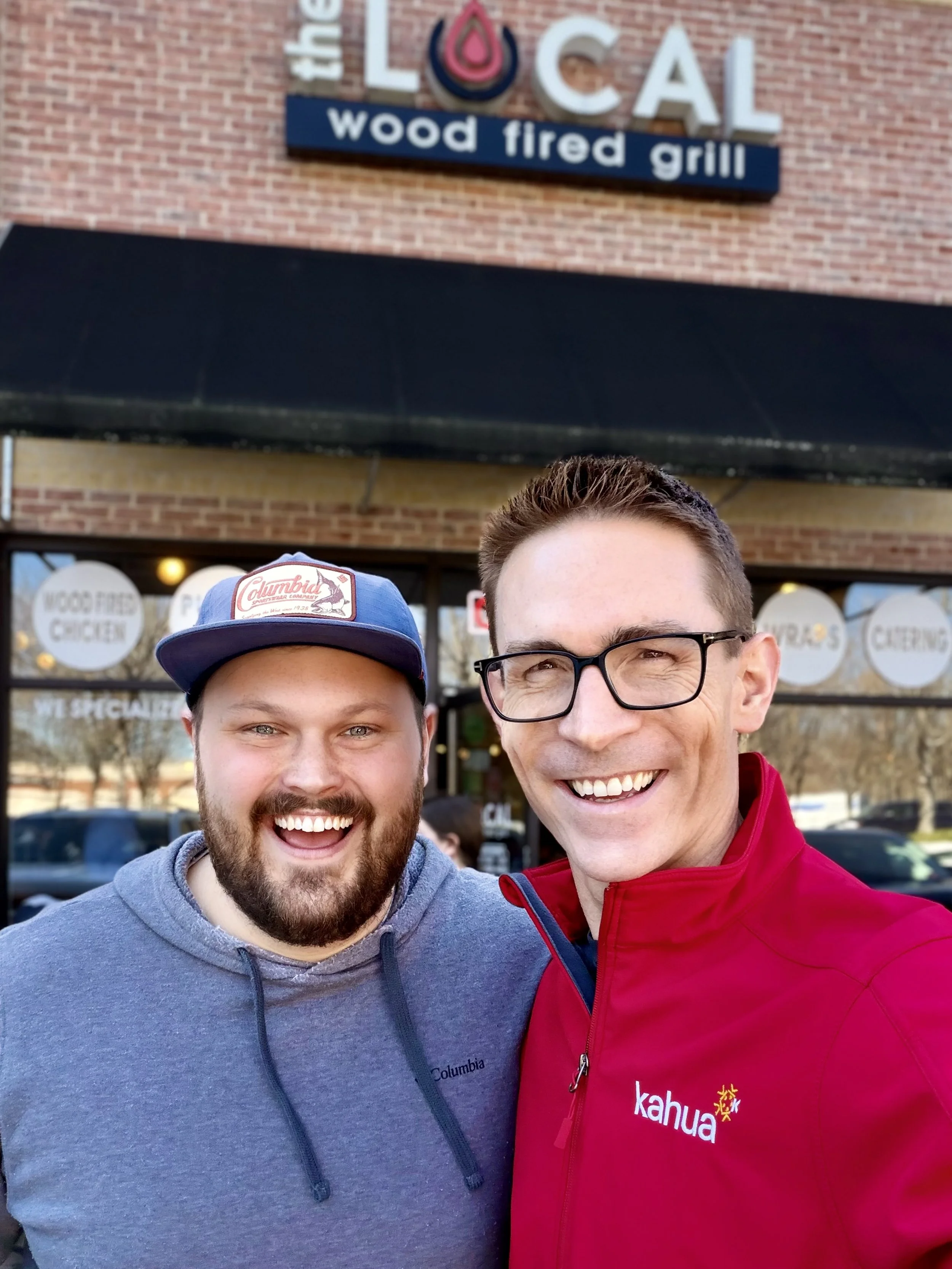
Tyler Campbell at lunch in Alpharetta, GA Feb 18th, 2026.
There’s something deeply ironic about calling Tyler Campbell’s superpower “listening.” If you’ve ever tuned into The Construction Brothers Podcast, you know Tyler is not exactly soft-spoken. He’s energetic, opinionated, quick on the draw and fully capable of filling every inch of a microphone with personality. The first time I saw him live, he was on stage at a conference taking shots at construction tech with the confidence of someone who had seen behind the curtain. Obviously, I had to meet this guy. Anyone willing to poke the bear in this industry is probably worth having a conversation with.
What I didn’t expect was that while Tyler may have started out as a listener to the industry, there was a point in time where he lost that edge. Nestled behind his boldness was a superpower that had been forged through failure, ego checks and a few humbling realizations.
Like the realization of just how much he didn’t know.
When You Realize You Don’t Have It Figured Out
When Tyler and his brother Eddie launched their podcast years ago, the original intent was simple. Talk construction. Highlight interesting people. Maybe create some momentum for the family business along the way. Like many of us when we first step into content or leadership, they had strong opinions about what was broken and how it should be fixed.
Then the interviews began to stack up.
Episode after episode, they sat across from owners, superintendents, architects, engineers, tech founders and executives who had walked entirely different paths. Each conversation added a little nuance, exposing context to challenges they hadn’t considered before. Slowly, the realization set in that construction is not a tidy equation waiting to be solved. It is an ecosystem shaped by incentives, regional pressures, financial realities, personality dynamics and decades of embedded habits. Over time, the more Tyler listened, the more he recognized that confidence without curiosity was dangerous.
Thankfully he did not shy away from that awareness. Instead, he let it sharpen him. Listening became the way he learned. But somewhere along the journey, the microphone began to shape his habits in not so positive ways.
The Pressure to Fill the Void
Podcasting carries a subtle weight. Dead air feels uncomfortable. Silence feels like something to fix. And energy must stay high for the momentum to continue. Over time, Tyler shifted from being an avid listener to becoming the one who kept the conversation moving. He was still hearing people, but he was also calculating his next comment before they finished speaking.
If I’m honest, that one hit close to home.
The real wake-up call came after his first business failed. In the aftermath, he hired a sales coach who reviewed his calls and offered feedback that landed harder than expected.
“You talk too much.”
It was framed as a sales improvement, but it exposed something deeper. Tyler had developed a habit of filling space instead of creating it. Instead of allowing someone to fully unpack their frustration, he would jump in with a solution. Instead of letting tension sit long enough to reveal the root cause, he would smooth it over with commentary.
That moment reignited something foundational. Listening is not about being quiet. It is about being present. Presence requires restraint, and restraint requires humility.
The Three Words That Unlock the Real Problem
It didn’t take long for Tyler, while launching his new company FieldProof, to begin working through the insights from that sales coach. When someone begins venting about their tech stack, their process or their project frustrations, most of us feel the urge to solve the problem immediately. We think we have identified the issue and want to prove we are paying attention.
Instead, he learned to ask a simple question: “Anything else?”
And then wait.
The first complaint is often just the surface symptom. The second layer reveals more context. By the third layer, you usually begin to uncover the real constraint. When someone starts ranting, you have likely touched the nerve that matters. The discipline is resisting the urge to interrupt the flow. Listening well means staying curious longer than feels comfortable.
That patience changes conversations. It builds clarity. It uncovers patterns that quick fixes miss entirely.
As we talked, Tyler shared a story about his grandfather still speaking with admiration about an architect he worked with decades ago. Today these relationships feel like a constant tug-of-war, us versus them, with everyone guarding their own territory. But if you’re listening well, you break past those paradigms. Walking into a company that has built itself into a significant operation and telling them they are wrong is the fastest way to lose a room. And while listening well does not mean avoiding change, it does means acknowledging the journey that got someone here before proposing what comes next.
When you say, “Help me understand how you built this,” you create space for influence. Listening builds trust. Trust creates credibility. Credibility makes transformation possible.
Where Technology Misses the Mark
It is tempting to look at the challenges in construction and attack visible tools first. The legacy platform. The old spreadsheet. The manual process. But visible does not always equal root cause. As Tyler pointed out, the real bottlenecks in construction are often misaligned handoffs, unclear expectations, poor communication and unchecked ego.
You can replace a tool and still leave the friction untouched.
Listening long enough to identify where work truly slows down gives you leverage. When you address the actual constraint first, trust grows. Once trust exists, even sacred cows can be evaluated without turning the project into a battlefield.
The key is approaching the change with humility rather than superiority.
Take a Walk
So, what does this look like in practice? Tyler’s advice was refreshingly simple. Take a walk. Walk the jobsite. Walk the office. Sit down with someone you do not normally sit with. Ask how it is going. Ask them to help you understand what they do and why they do it that way. Learn their name. Learn their story.
And if there is one question every project team should wrestle with before jumping to judgement, it’s this:
Do I understand how that works?
If the answer is no, find the person responsible and say, “Help me understand.” That question does not signal weakness. It signals respect.
When conflict inevitably arises, it lands differently if a relationship already exists. Listening may feel slow in the moment, but it accelerates everything downstream.
Maybe you’re reading this thinking, I’m just one person. What difference can I make? Curtis has a simple yet powerful answer to that.
“Be the change you wish to see.”
Yeah, it might sound cliché, but have you tried it? Document a process no one has ever written down. Ask better questions in a meeting. Call out a cross-functional workflow everyone hates but no one has addressed and signal a new standard of ownership.
A pebble creates a ripple. Enough ripples change a culture.
If construction is going to level up, we have to get better at what we’ve always done. Not just newer, shinier and more digital. Better. Clearer. More disciplined. More intentional.
AI will absolutely reshape this industry. Curtis and I believe that deeply. But it will reward the companies that have done the unglamorous work of defining their systems, clarifying their standards and investing in leaders who are willing to improve themselves first.
Processes first. Tech second.
Not because technology doesn’t matter. It does. But because technology without process is just expensive chaos.
So, maybe the next breakthrough for your company doesn’t start with a new platform. Maybe it starts with a whiteboard, a conversation and a willingness to examine your own habits before you try to transform your organization.
Construction is cool, tell your friends!